
If repairs cost less than the price bump they’ll earn after selling costs, and you have time, fix the key items; if you need speed or the repairs outrun the likely payoff, sell as is. Your repair bids, timeline, buyer pool, and disclosure duties (including federal lead-paint rules for pre-1978 homes) drive that call. Run the net-proceeds math below, or order a pre-listing inspection first.
TL;DR:
- Compare net proceeds using three local comps, written repair bids, selling expenses, and monthly holding costs; lower expected price gains and raise repair estimates before deciding.
- Roof leaks, unsafe wiring, and structural problems can block mortgage financing, while cash buyers and investors may still purchase but typically discount repair risk.
- A steel front door can recover roughly 100% of its cost, while full remodels recover less; price repairs individually before committing.
- For homes built before 1978, sellers must disclose known lead paint, provide records and the EPA pamphlet, and give buyers 10 days to test.
Table of Contents
- How do you score your situation before spending a dollar?
- How do you calculate repair cost against added sale proceeds?
- Which repairs are worth making first?
- How do inspections, appraisals, and financing change the answer?
- What do you do when buyers ask for repairs, and what must you disclose?
- How does the framework play out in three real-world situations?
- What do we see when homeowners sell as is?
- What does the research actually say about repairing before selling?
- What does a cash, as-is sale look like with us?
- FAQ
- Sources
How do you score your situation before spending a dollar?
Start with five factors. Rate each one honestly, because the answer usually becomes obvious before you ever open a spreadsheet.
- Timeline: If you need to sell urgently, that points toward selling as is. A flexible timeline points toward repairs.
- Cash or financing for repairs: If funding the work would strain you, repairs carry real risk.
- Neighborhood comps and demand: In a hot market, buyers forgive flaws. In a cold one, a dated or damaged house sits.
- Target buyer: Retail buyers needing a mortgage want clean inspections. Investors and cash buyers price the flaws in and move on.
- Risk tolerance: Repairs can uncover bigger problems behind the wall.
Score each factor as “favors repairing” or “favors selling as is,” then follow these steps:
- Count the factors on each side. Four or five on one side is a clear signal.
- If your timeline is urgent, or bids come in above the uplift you expect, lean toward selling as is.
- If the count is split, order a pre-listing inspection. A pre-sale inspection is optional, but inspectors check structure, roof, plumbing, electrical, HVAC, and possible hazards like mold, radon, lead, and asbestos, so you learn what buyers would find anyway.
- Make three calls this week: two contractors for ballpark bids, and an agent or your own research for three recent local comps.
The checklist doesn’t replace the math in the next section. It tells you how hard to push on the numbers. A homeowner facing foreclosure, a job relocation, or an estate deadline rarely needs a spreadsheet to know the answer. A homeowner with a year, equity, and a sound roof probably does.
If you land in the middle, resist the urge to pick the option that feels safer emotionally. Repairing feels responsible and selling as is feels like giving up, but neither feeling is a number. Let the comps and bids decide.
How do you calculate repair cost against added sale proceeds?
The comparison comes down to net proceeds, meaning what lands in your pocket after every cost. Run it twice: once for selling as is, once for repairing first.
- Estimate the as-is price. Use three recent comps for homes in similar condition to yours.
- Estimate the repaired price. Use comps for homes in the finished condition you’d deliver, not the best-looking house on the block.
- Subtract repair costs. Use written bids, and add a cushion for surprises. A conservative approach is to assume the bid runs high and the price lift runs low.
- Subtract selling expenses. Include agent commissions if you list, closing costs, staging, and holding costs such as mortgage interest, taxes, insurance, and utilities for every month the work and listing take.
- Compare the two net figures. Repair only if the repaired path wins by enough to justify your effort and risk.
Here is a template with made-up numbers. These are illustrative inputs, not market data: swap in your own comps and bids.
- As-is price: use your estimate from comps. Subtract the selling costs to estimate your net.
- Repaired price: use comps for the finished condition. Subtract repair costs, extra holding costs, and selling costs to estimate your net.
Compare the two estimates. A small advantage may not justify the time, contractor stress, and risk that bids run over. If repair costs rise, the repaired path could leave you with less than selling as is. Small gaps rarely justify big projects.
For a conservative version, lower your expected price lift and raise your repair estimate. If the repair path still wins, it’s more likely to be worthwhile.
Remodeling returns vary widely by project, and a new steel front door recovers roughly 100% of its cost at resale while full remodels recover less. That gap is the reason to price each item separately instead of assuming a whole-house renovation pays for itself.
One tax note: large improvements may raise your cost basis, which can reduce capital gains. The IRS explains that improvements such as additions or major restorations can be added to basis, while routine repairs that maintain the property do not count. Keep receipts and ask a tax professional how your sale is treated.
For a deeper walk-through of the broader picture, our guide on maximizing your home’s selling potential covers pricing and preparation in more detail.
Which repairs are worth making first?
Rank every possible fix by what it does for the buyer, then by what it costs. Three tiers keep it simple.
Tier 1: safety and structure. Roof leaks, major foundation problems, and electrical hazards can kill a deal or block a mortgage. HUD’s appraisal guidance directs appraisers to note deficiencies and estimate the cost to cure, and required repairs for FHA-financed buyers are limited to safety, security, and structural soundness items. If you list on the open market and skip these, you’re shrinking your pool of financed buyers.
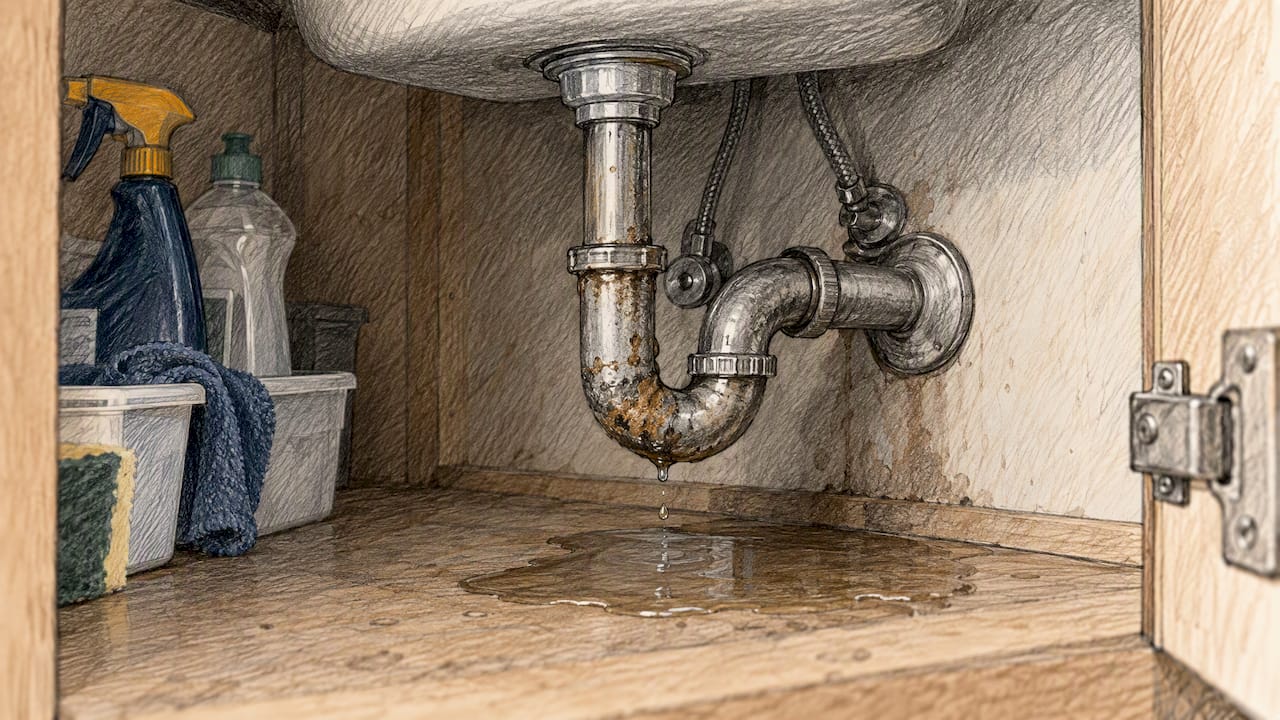
Tier 2: functional systems. HVAC that doesn’t run, plumbing that leaks, and dead major appliances are things buyers notice and appraisers may flag. Sometimes a repair beats a replacement, and sometimes a credit beats both.
Tier 3: cosmetic fixes with high returns. Paint, a front door, landscaping, and small kitchen or bath touches. The NAR and NARI remodeling research shows some smaller projects, including a steel front door, painting, and window upgrades, can have high cost-recovery percentages, and agents often recommend painting and replacing a roof when it’s truly needed.
What to do with each tier:
- Fix before listing: Active leaks, unsafe wiring, and anything an inspector would call deal-breaking.
- Offer a credit instead: Aging but working systems and mid-size repairs where buyers want to choose their own contractor.
- Skip entirely: Kitchen gut jobs, luxury bathrooms, and anything that only matches your taste.
- Do cheaply: Paint, a deep clean, a new door, trimmed shrubs, and fresh mulch. Our tips on enhancing curb appeal show how far a modest budget goes.
A deep clean is among the cheapest upgrades and shows well in photos. A professional service such as this guide to preparing a home with a deep clean explains what to expect.
Pro Tip: Ask each contractor to price the repair in two versions, a “good enough to sell” fix and a “forever” fix. The sale-ready version is often much cheaper, and it’s the only one your price estimate needs.
Full remodels rarely recover everything you spend. If a house needs a new kitchen, a new roof, and a new furnace at once, the numbers usually favor selling as is or a heavy credit rather than doing it all yourself. A clean, decluttered, well-lit house in as-is condition often outperforms a half-finished renovation.
How do inspections, appraisals, and financing change the answer?
Buyer financing is the hidden variable. A house that needs work can still sell, but the buyer’s lender decides who is allowed to buy it.
- Pre-listing inspections surface problems on your schedule. Agents report that these inspections let sellers fix deal-killing items on their terms, avoid surprise objections, and sometimes serve as a marketing point that reassures buyers.
- Proactive fixes reduce concessions. Real estate professionals say addressing major defects early often helps a home read as turnkey, minimizing inspection objections and buyer-demanded concessions.
- FHA appraisals can force repairs. Appraisers note deficiencies, and a property may be flagged as needing repairs before a loan can close. That limits your financed buyers to people who can handle the work or whose lenders accept the condition.
- Selling as is tilts toward cash buyers and investors. That usually speeds closing and removes financing contingencies, but it typically lowers the achievable price because these buyers price in risk and their own repair costs.
The practical takeaway: if your house has Tier 1 problems, the financed-buyer market may be mostly closed to you. That makes the as-is route stronger, not weaker, because the buyers left are the ones who expect to renovate.
If your house has only Tier 3 issues, the opposite holds. Retail buyers with mortgages can usually buy it, and cosmetic work may pull in more offers. Before you decide, ask an agent which loan types buyers in your price range typically use, because that tells you how much a clean inspection is worth in your market.
What do you do when buyers ask for repairs, and what must you disclose?
If you list and get an offer, the buyer’s inspection often produces a repair request. You have three options.
- Get contractor bids and complete the work. You control quality and the buyer is reassured, but you absorb delay and cost. Getting bids first shows you what the work really costs, and cosmetic issues are usually negotiable.
- Offer a credit. A seller credit is often more expedient than repairs because it avoids overseeing construction and speeds the sale. The downside is that the buyer may negotiate it higher.
- Decline and hold your price. This works when the house is priced for its condition, but it risks a canceled contract.
Disclosure comes first, whichever path you take. Sellers generally must disclose known facts about the property’s condition, and sharing past repairs can protect you from later liability rather than scare buyers off.
For homes built before 1978, federal rules require sellers to disclose known lead-based paint information, provide records and the EPA pamphlet, give buyers a 10-day chance to test, and keep signed acknowledgments for three years. Selling “as is” does not remove this duty.
Keep a folder with inspection reports, repair invoices, and signed disclosures. Passing along inspection reports helps avoid disputes later, and agents recommend disclosing past repairs because it protects you if a buyer later discovers poorly done work. A home warranty can also serve as a small bargaining token when buyers feel nervous about aging systems.
How does the framework play out in three real-world situations?
Use these as templates for your own case.
- The urgent seller with limited funds. A homeowner needs to move soon and has no repair budget. The key numbers: the as-is price from comps, the cash offer, and the gap between them versus the cost of carrying the home through a listing. Selling as is to a cash buyer usually wins here, because the repaired path needs money and time this seller doesn’t have.
- The seller with time and equity. A homeowner has time and a roof that is aging but sound, plus dated paint. Prioritize Tier 1 and 2 items, price the cosmetic work, then run the net-proceeds math with holding costs included. List with an agent if the repaired net beats the as-is net by enough to justify the labor. If the margin is thin, sell as is and keep the effort.
- The inherited home with deep repairs. Heirs inherit a house needing a roof, electrical updates, and cleanout. The key inputs: total repair bids, months of carrying costs split among heirs, the as-is value, and tax treatment. Our explainer on selling an inherited house covers the tax side. When bids pass the likely uplift, an as-is sale to an investor often settles the estate faster and with less conflict. If the home is full of belongings, a junk removal service can clear it fast before showings.
In every scenario, the question is the same: what is each path worth after costs, and what is your time worth?
What do we see when homeowners sell as is?
We buy houses as is for cash, so we see the trade-offs up close. The pattern is consistent: speed costs you some price, and repairs cost you time and certainty. Deal-breakers can include roof leaks, outdated electrical, and water damage that sellers didn’t know about until an inspection. Sellers who go in expecting a repair list and a real budget make better choices than those who hope the problems go unnoticed.
Sellers also change course. Some start planning repairs, get bids, and decide the numbers don’t work. Others start listing and then realize they need a faster close. Both moves are normal.
Here is what we can say about our own service: we buy homes in Rhode Island as is, with no agent fees or commissions, no repairs or cleaning required, and we base offers on the After Repaired Value. Our next-step advice is simple: run the calculation, get a pre-listing inspection if you can, and compare any cash offer to your own net-proceeds estimate.
What does the research actually say about repairing before selling?
Most advice on this topic skips the part that matters. Articles love to tell you which projects return the most, but the percentages are averages, and your house isn’t an average. The uncomfortable truth is that the best-performing fixes are boring, cheap, and mostly about removing objections: paint, a door, a clean house, and fixing whatever would scare a lender. The expensive projects are the ones sellers overestimate.
Conventional advice also undervalues your time and overvalues the headline price. A higher sale price that arrives later, after a contractor delay and a failed inspection, may leave you with less cash and more stress than a clean as-is deal. And “sell as is” is not a confession of failure. It is a price you accept in exchange for certainty.
What should you do first? Get two written bids and three comps. Everything else follows from those five numbers. Don’t start any work until you’ve run the net-proceeds comparison, because the order of operations is where most sellers lose money.
— Dave
What does a cash, as-is sale look like with us?
If your checklist points toward a fast, no-repair sale, we’re a straightforward option. Everything above still applies: compare any offer to your own net-proceeds estimate before you decide.

Here is how our process works:
- We buy as is. No repairs, no cleaning, no staging.
- No agent fees or commissions. The offer is what you work with.
- Flexible closing. You choose a timeline that fits your situation.
- Offers based on After Repaired Value. We account for the work the house needs.
You can read more about selling your house without repairs, or request a cash offer from Rhody Home Buyer and put it next to your own numbers.
FAQ
Is it better to fix up a house or sell as is?
It depends on whether repair costs plus holding costs are lower than the added sale price. If you have time, funds, and mostly cosmetic or safety fixes, repairing can pay. If you need speed or the work is extensive, selling as is often nets about the same with far less effort.
At what point is a house not worth fixing?
When the cost of repairs, plus carrying costs, exceeds the price lift you can reasonably expect. Full remodels usually recover a smaller share of cost, so a house needing several big systems at once is often a candidate for an as-is sale.
Is selling as is a red flag?
No. Sellers choose as-is for reasons such as being unable to fund repairs, handling an inherited property, or needing a fast sale. Buyers still keep their rights to inspect and negotiate.
Do I still have to disclose problems if I sell as is?
Yes. Selling as is means you won’t make repairs or offer credits, but you must still disclose known material defects. For pre-1978 housing, the EPA also requires lead-paint disclosures and a 10-day testing window for buyers.
Sources
- Epa
- How Home Sellers Can Use Concessions to Get to Closing
- APPENDIX D: VALUATION PROTOCOL
- CONSUMER GUIDE: PREPARING TO SELL YOUR HOME