
Yes, you can sell a condemned house, and in most cases the fastest reliable route is an as-is cash sale to a real estate investor. A demolition order pushes value toward the land underneath the structure, conventional mortgages almost never apply, and repairing the home yourself only makes financial sense if you can fund the work and pass re-inspection. For most owners facing fines, deadlines, or a house nobody can legally occupy, selling as-is beats waiting.
TL;DR:
- Most sellers opt for a quick cash sale to an investor because traditional financing is almost always unavailable for condemned properties.
- Disclosing all known issues, including condemnation notices and violations, is legally mandatory, even if selling “as-is,” to avoid fraud claims.
- Fines, liens, and demolition deadlines can significantly impact closing timelines and should be addressed early with proper documentation.
- Conventional lenders will not finance condemned homes, limiting buyer options to cash investors, developers, or specialized rehab loans.
Table of Contents
- What Does “Condemned” Actually Mean?
- What Are Your Realistic Options for Selling?
- What Do You Legally Have to Disclose?
- How Do You Price a Condemned Property?
- Why Won’t a Bank Finance This Sale?
- Your Step-by-Step Checklist for Selling
- What Will This Cost You, and How Long Will It Take?
- Where Sellers Go Wrong on a Condemned Home Sale
- How Rhody Home Buyer Helps You Sell Fast
- Sources
- FAQ
What Does “Condemned” Actually Mean?
A “red tag,” a condemnation notice, and a demolition order are three different things, and mixing them up costs sellers time. A red tag usually means the building is unsafe to enter right now, often after fire or storm damage. A condemnation notice is the local government’s formal declaration that the structure violates code and can’t be legally occupied until repaired or torn down. A demolition order is more severe: the city has decided the building itself needs to come down, which shifts its market value toward the lot rather than the structure.
Before you do anything else, request these documents from your local code enforcement office:
- The original condemnation or red-tag notice, with the date issued
- The full list of cited violations
- Any inspector reports or follow-up correspondence
- Information on outstanding fines or liens tied to the property
Occupying a condemned house is illegal in nearly every jurisdiction, and starting repairs without permits can add fines on top of what you already owe.
What Are Your Realistic Options for Selling?
Four paths exist for selling a condemned or severely damaged property, and each fits a different situation.
- As-is cash sale. Investors and cash buyers purchase homes in any condition, often closing in 7 to 21 days. Offers typically run a majority share of the after-repair value, a trade-off you accept in exchange for speed and certainty, according to Opendoor’s guidance on selling damaged homes. This is the option most owners with fines piling up or a demolition deadline actually choose.
- Repair, then re-list. If you have the cash and time, permitted repairs followed by a re-inspection can lift the home out of condemned status entirely, opening it to the traditional buyer pool and a full market price. The catch is holding costs: taxes, insurance, and fines keep running while contractors work, often for months.
- Auction. Auctions move condemned properties fast and reach investors who specialize in distressed real estate, but you generally get one shot at a price with no negotiation, and auction houses take a cut.
- Government acquisition. In rare cases, a municipality with an interest in the land, for a road project or redevelopment, may pursue eminent domain. Compensation is negotiated separately and usually requires an attorney to make sure the offer reflects fair market value, not just land value.
Selling as-is to a cash buyer remains the option most sellers land on once fines and holding costs enter the math.
What Do You Legally Have to Disclose?
Most states plus Washington, D.C. require a written property condition disclosure form, and you’re required to answer honestly about every known defect, per Legal Clarity’s breakdown of as-is sale rules. Selling “as-is” limits your obligation to make repairs. It does not limit your obligation to disclose. Hiding a known structural problem or a condemnation notice can expose you to a fraudulent concealment claim well after closing.
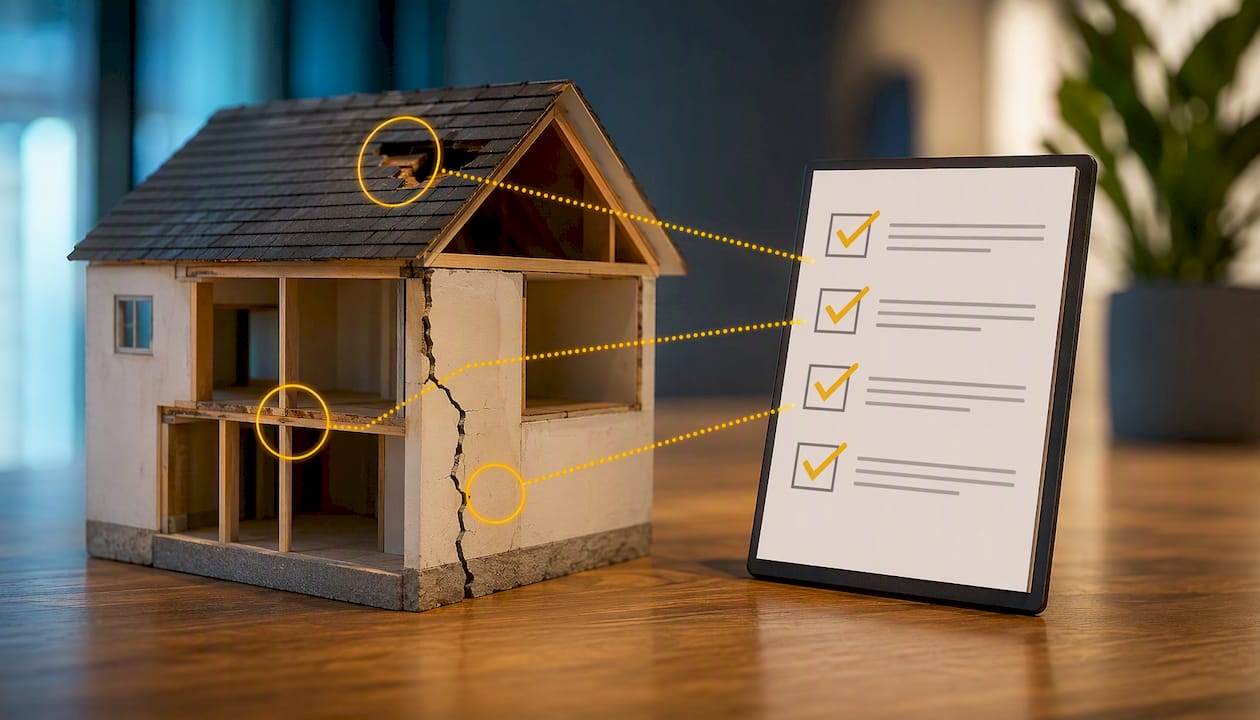
If your home was built before 1978, federal law adds another layer: you must give the buyer the EPA’s lead-based paint pamphlet and any lead reports you have, and the buyer gets a 10-day inspection window unless they waive it in writing.
Keep these on file, ideally in one folder, physical or digital:
- Every letter, email, and inspection report from code enforcement
- Contractor repair or demolition estimates
- Any prior inspection reports, even old ones
- Written correspondence with buyers about known issues
Pro Tip: Send disclosure documents to your buyer by email, not just in person, so you have a timestamped record showing exactly what you disclosed and when.
How Do You Price a Condemned Property?
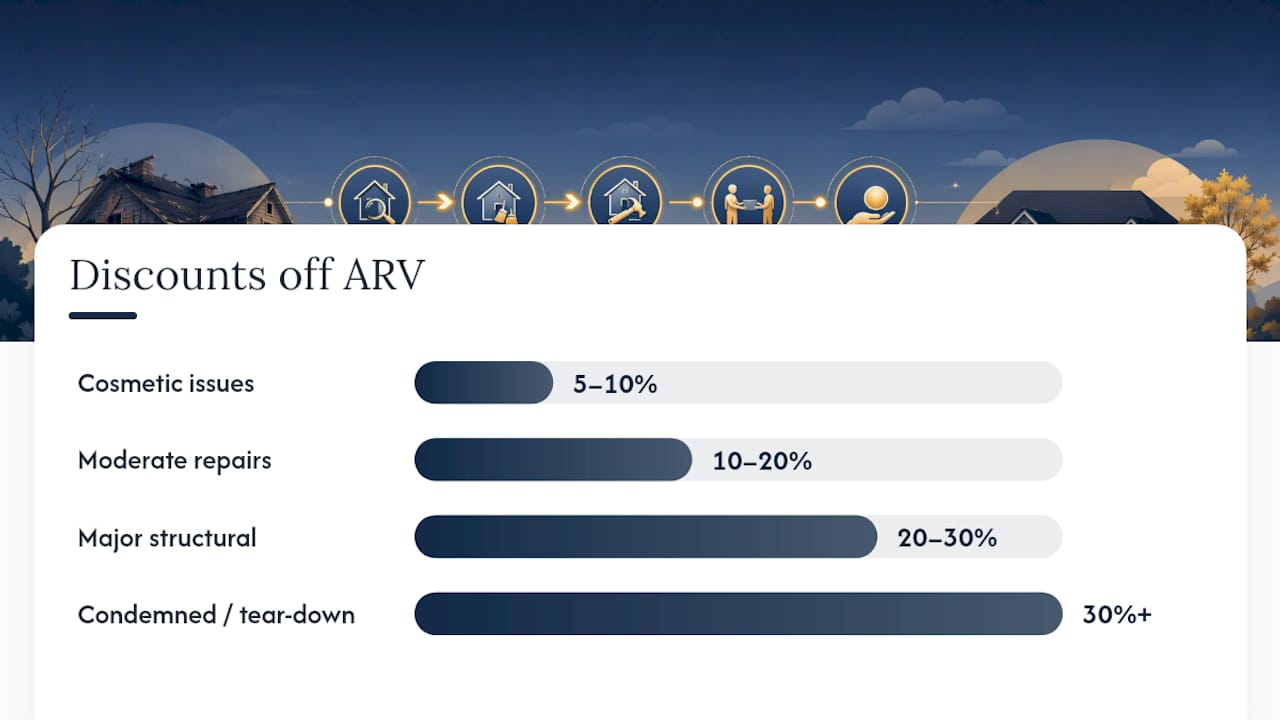
Start with the after-repair value (ARV), the price the home would fetch fully renovated in your local market. Get this from a licensed appraiser or a comparative market analysis pulled from recent sales of similar, updated homes nearby. Then subtract real contractor estimates for repairs or demolition, not guesses.
Discounts scale with severity:
- Cosmetic issues (paint, flooring, fixtures): 5% to 10% off ARV
- Moderate repairs (roofing, plumbing, electrical): 10% to 20% off
- Major structural problems (foundation, framing): 20% to 30% off
- Condemned or tear-down condition: 30% or more off, often priced near lot value
Investors commonly use a version of the 70% rule: they’ll offer roughly 70% of ARV minus their repair estimate. That formula protects their margin, not yours, which is exactly why getting three or four bids matters. Offers on the same condemned house can vary by tens of thousands of dollars depending on how conservative each investor’s repair estimate is.
Why Won’t a Bank Finance This Sale?
Conventional lenders require a home to be habitable and pass an appraisal, and a condemned property fails both tests automatically. That single fact shrinks your buyer pool down to cash investors, house flippers, developers buying for the land, and occasionally a buyer using a specialized rehab loan like an FHA 203(k), if the damage is moderate enough to qualify.
Before you take any offer seriously, verify it’s real:
- Ask for proof of funds, a bank statement or letter from their lender
- Confirm the buyer has closed similar as-is deals before
- Be wary of offers that arrive with no inspection request at all, since that’s a common sign of a buyer who isn’t actually funded
Your Step-by-Step Checklist for Selling
Work through these five steps in order, and you’ll avoid most of the legal and financial traps that catch condemned-home sellers off guard.
- Pull your paperwork. Get the condemnation notice, violation list, and any inspection reports directly from code enforcement.
- Get real numbers. Line up contractor quotes for repairs or demolition, and get an ARV estimate from an appraiser or agent familiar with distressed sales.
- Pick your sale path and lock your language. Whether you list as-is or sell direct to an investor, use consistent as-is wording across every document so nothing contradicts itself later.
- Clear your title. Run a title search, resolve or disclose any liens, and require proof of funds from every serious buyer.
- Close through a title company and keep copies of every disclosure you signed.
A pre-listing inspection at step 2 does double duty: it gives you accurate numbers and gives buyers enough confidence to bid higher than they would on an unknown quantity.
What Will This Cost You, and How Long Will It Take?
A cash sale to an investor typically closes in 7 to 21 days. A financed or repair-first sale usually takes 30 to 90 days once you account for permits, contractor scheduling, and re-inspection.
Budget for these costs regardless of which path you choose:
- Agent commission if you list traditionally, typically around 6%
- Title and escrow fees
- Outstanding code enforcement fines or liens
- Unresolved demolition or permit fees, which a title company will usually require you to settle before closing
If your fines or liens are complicated, or if the city is pushing an aggressive demolition timeline, get an attorney involved early. The cost of an hour of legal advice is small compared to a deal that falls apart at closing because a lien wasn’t resolved.
Where Sellers Go Wrong on a Condemned Home Sale
The most expensive mistake I see is inconsistency: telling one buyer verbally about a foundation crack, then leaving it off the written disclosure form because it “wasn’t a big deal.” That gap is exactly what a fraudulent concealment claim is built on. The second most common error is accepting the first cash offer without a second opinion, which usually means leaving real money on the table since investor repair estimates vary wildly.
Get a pre-listing inspection even if you’re selling as-is. It costs a few hundred dollars and tends to raise buyer confidence enough to shrink that hidden-risk discount investors build into their offers. Document every conversation with code enforcement in writing, not just phone calls. And if fines are accumulating faster than you can realistically fund repairs, a fast cash sale isn’t a compromise. It’s the option that stops the bleeding.
— Dave
How Rhody Home Buyer Helps You Sell Fast
There are other routes, from auctions to full repair-and-relist campaigns, but most of them cost you time and money you may not have. There are companies that buy homes as-is for cash, base their offers on after-repair value rather than the home’s current condition, and skip agent commissions entirely.

The next step is simple. Pull together your condemnation notice, any inspector reports, and contractor estimates if you have them, then request a no-obligation cash offer. You’ll get a fair number based on the property’s real ARV and a closing timeline that works around fines, deadlines, or a demolition order already on the clock, without repairs, cleaning, or waiting on a lender who won’t approve the loan anyway.
Sources
Verify legal disclosure obligations directly with your state’s real estate commission, since requirements shift by state even though most states mandate written disclosure. For federal lead-paint rules affecting pre-1978 homes, the congressional research summary lays out the disclosure window in plain terms. For general guidance on pricing and timelines, U.S. News’s overview of condemned home sales is a solid starting point, and a water damage inspection guide from Infinity Restoration helps you spot hidden issues before a buyer’s inspector does.
This article is general information, not a substitute for advice from a qualified lawyer. Consult a qualified legal professional about your own circumstances before acting on anything here.
- How to Buy or Sell a Condemned Home – U.S. News Real Estate
- How to sell my house as is — disclosures, costs, closing (Legal Clarity)
- Realtor
FAQ
Can You Sell a House That Is Condemned?
Yes. Most sellers use an as-is cash sale to an investor, since condemned status disqualifies conventional financing but doesn’t stop a direct sale.
What Can I Do With a Condemned House?
You can sell it as-is to a cash buyer, fund repairs and request re-inspection to restore occupancy, sell through auction, or in rare cases negotiate a sale to the municipality if it wants the land.
Can You Legally Live in a Condemned House?
No. A condemnation notice means the property is legally unfit for occupancy until the cited violations are resolved and the home passes re-inspection.