
Yes, you can often stay in your home after closing under a written rent-back agreement, but expect a short, lender-driven limit, usually up to 60 days, and a signed contract that spells out your move-out date, rent, escrow, insurance, and penalties for staying too long. Before you count on this option, confirm the buyer’s lender will actually allow it.
TL;DR:
- Rent-backs are limited to around 60 days, as mortgage rules require the buyer to occupy the home within that timeframe, affecting longer stays.
- Negotiating the rent-back early in your offer increases the chances of lender approval and avoids last-minute disputes or refusals.
- A written agreement should include clear move-out dates, rent terms, escrow handling, condition documentation, and holdover penalties to prevent conflicts.
- Short-term rent-backs benefit sellers by avoiding double moves and give buyers short-term rental income but carry risks if move-out dates aren’t adhered to.
- Considering a cash sale can bypass occupancy restrictions, offering more flexible timing without requiring lender approval or detailed occupancy agreements.
Table of Contents
- What is a rent-back and how does it differ from a sale-leaseback?
- How rent-backs work: durations, lender limits, and timing pitfalls
- What to include in the written rent-back agreement
- Benefits and drawbacks for sellers and buyers
- How to negotiate and secure a rent-back agreement
- Risks, holdover consequences, and how to avoid disputes
- Step-by-step checklist from offer to move-out
- How a cash sale changes the post-closing occupancy equation
- When a rent-back makes sense, and when it doesn’t
- A faster way to skip the rent-back negotiation entirely
- FAQ
- Sources
What is a rent-back and how does it differ from a sale-leaseback?
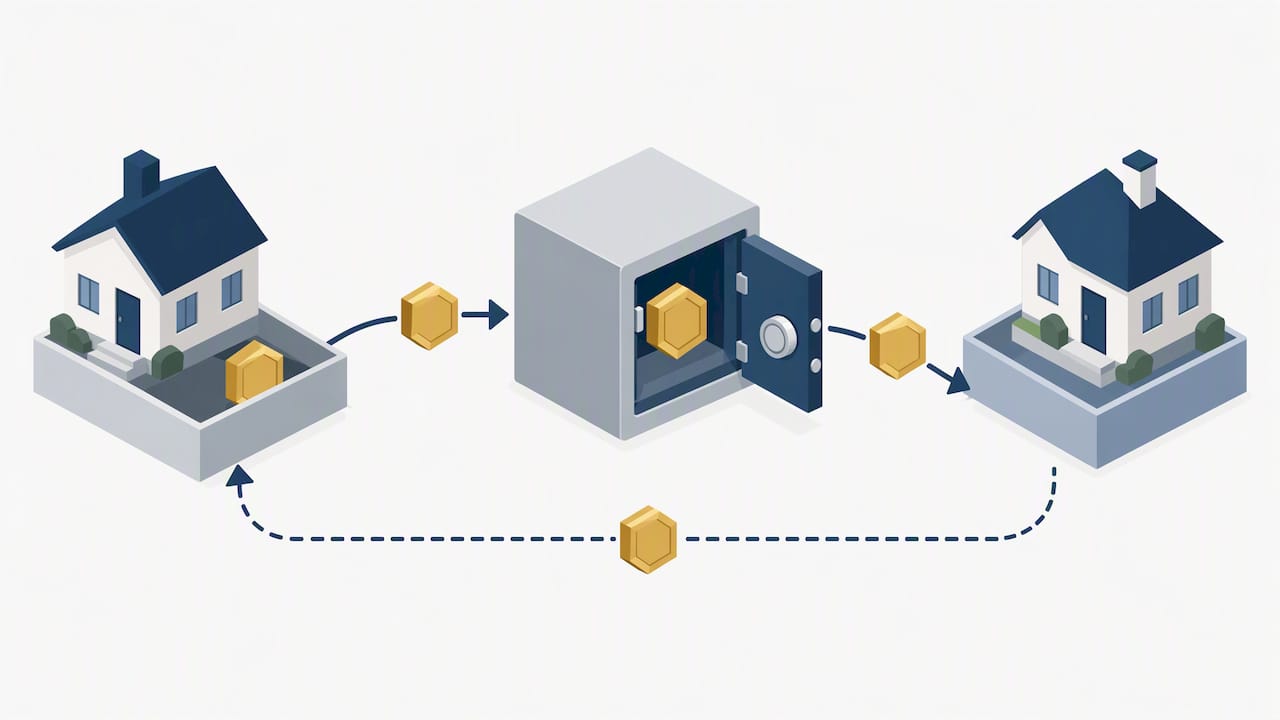
A rent-back, also called a post-closing occupancy agreement or lease-back, lets you stay in your home as a renter after the sale closes. The buyer becomes your landlord for a set period, giving you breathing room between selling and moving into your next place.
The main purpose is practical: it bridges the timing gap when your new home isn’t ready, your move date doesn’t line up with closing, or you need a few extra weeks to pack. This is different from a sale-leaseback used by investors, which can run for months or years and functions more like a long-term commercial arrangement. A standard residential rent-back is a short bridge, not a housing plan.
- A rent-back is a seller staying put temporarily after selling, usually for days to 60 days.
- A sale-leaseback is a longer-term investor transaction, often lasting months or years.
- Both require a signed agreement, but the terms, protections, and risks differ sharply by duration.
Confusing the two can cause problems. A seller who assumes they can stay for three months under a “rent-back” may find the buyer’s lender won’t permit it at all.
How rent-backs work: durations, lender limits, and timing pitfalls
Most rent-backs last anywhere from a few days to 60 days, and that ceiling isn’t arbitrary. It traces back to mortgage occupancy rules.
Mortgage programs generally require buyers to occupy the home as their primary residence within 60 days of closing, under Fannie Mae and Freddie Mac guidance. If a buyer financed the purchase as an owner-occupant, letting you stay longer than that window can violate their loan terms and put their mortgage at risk.
This creates a real pitfall for sellers who negotiate casually. If you ask for a 90-day rent-back after the purchase contract is already signed, the buyer’s lender may simply refuse, forcing a scramble to find alternate housing days before closing.
- Short-term rent-backs typically run from a few days up to 60 days, tied to primary-residence occupancy rules.
- Sale-leasebacks, by contrast, are longer investor deals and follow different underwriting standards entirely.
- The buyer’s loan type (conventional, FHA, VA) can affect how strictly occupancy timing is enforced.
Raise the rent-back request when you submit or negotiate your offer, not after the purchase agreement is final. Fannie Mae’s rent-related credit rules require documentation that underwriters review early, so waiting until the final days before closing to ask for occupancy time is one of the most common ways these arrangements fall apart.
What to include in the written rent-back agreement
A verbal handshake on a rent-back is a recipe for disputes. The agreement needs to be in writing and cover specific terms, because Fannie Mae’s guidance on post-closing occupancy expects agreements to spell out move-out dates, rent, deposit handling, and holdover terms explicitly.
- Move-out date and extension terms: set a firm date, note whether early move-out earns a rent credit, and define what happens if you need a short extension.
- Rent amount and payment schedule: rent is often calculated to cover the buyer’s mortgage principal, interest, taxes, and insurance rather than simple market rate, so clarify the number and who it’s paid to.
- Security deposit and escrow instructions: specify the deposit amount and require it be held in escrow rather than paid directly to the buyer.
- Condition documentation: take dated photos at closing to establish a baseline before you move back in as a tenant.
- Utilities and maintenance responsibilities: state who pays utilities and who handles routine versus emergency repairs during the occupancy period.
- Insurance requirements: the buyer typically needs a homeowner policy in effect at closing, while you as the occupant should carry renter’s insurance.
- Final walkthrough and escrow release: define the inspection process after you vacate and the conditions under which the escrowed deposit gets released.
- Holdover penalties: set a daily fee or deposit forfeiture clause if you don’t vacate on the agreed date.
A practical rent-back checklist from Ryan Case covers similar ground and is worth reviewing alongside your agreement before you sign.
Pro Tip: Ask that the security deposit be held by a neutral escrow or closing agent instead of the buyer directly. It gives both sides a documented reason to resolve disputes instead of a direct confrontation.
Benefits and drawbacks for sellers and buyers
A rent-back can solve a real timing problem, but it isn’t free of friction for either party.
- Sellers avoid a double move. You get the cash from your sale without the cost and stress of a temporary housing gap.
- Buyers can win competitive offers. Offering flexible occupancy terms makes a buyer’s bid more attractive in a tight market.
- Buyers collect short-term rental income. They get cash flow during a window when the home would otherwise sit empty.
- Both sides face holdover risk. If you don’t move out on time, the buyer faces delays, and you face penalties or legal action.
- Rent may not be a bargain. Because rent is often set to cover the buyer’s carrying costs, it can land higher than a casual rental rate.
- Condition disputes are common. Disagreements over property damage during occupancy are one of the most frequent sources of conflict in these arrangements.
How to negotiate and secure a rent-back agreement
Getting a rent-back approved comes down to timing and how you frame the request.
- Put it in your initial offer or counteroffer, not as an afterthought after the contract is signed. Practical guidance from Nolo recommends raising rent-back terms early so the buyer and their lender can account for it during underwriting.
- Offer incentives that reduce buyer friction, such as a larger security deposit, prepaid rent for the full occupancy period, or covering the buyer’s short-term storage costs.
- Get written lender confirmation before closing. Ask the buyer to confirm in writing that their loan program permits the proposed occupancy length, since occupancy rules shape what documentation lenders accept.
- Build a backup plan. If lender approval falls through, have a short-term rental lined up or consider a cash sale that lets you set your own closing date instead of negotiating around someone else’s mortgage.
Pro Tip: Frame the rent-back as a convenience you’re paying for, not a favor you’re asking for. Buyers and lenders respond better to an offer that includes deposit and prepaid rent than to a bare request for extra time.
Clear lease language also protects you. A guide to negotiating lease terms outlines phrasing that works well for short-term occupancy agreements, even outside a traditional landlord-tenant relationship.
Risks, holdover consequences, and how to avoid disputes
The biggest risk in a rent-back is staying past your agreed move-out date. Holdover clauses often impose a daily penalty or allow the buyer to keep part or all of the security deposit if you don’t vacate on schedule.
If you refuse to leave, the buyer cannot simply change the locks. They must pursue a formal eviction process, which takes time and adds stress for everyone involved. That’s a strong reason to treat your move-out date as firm rather than flexible.
- Document the property’s condition with photos both at closing and again when you vacate, a step legal and real estate professionals consistently recommend to avoid disputes.
- Keep the security deposit in escrow so a neutral party, not the buyer, decides when and how it’s released.
- Schedule a final walkthrough before escrow funds are released, tying release conditions to that inspection.
- Consult a real estate attorney early if either party becomes uncooperative, rather than waiting until the move-out date has already passed.
Escrow instructions that tie deposit release to a documented final inspection consistently reduce conflict, because neither party controls the money unilaterally.
Step-by-step checklist from offer to move-out
- Negotiate the rent-back terms in your purchase offer, not after the contract is signed.
- Get written confirmation from the buyer that their lender permits the proposed occupancy length.
- Draft and sign a post-closing occupancy agreement covering rent, deposit, escrow, utilities, and insurance.
- Photograph the property’s condition at closing to create a dated record.
- Secure renter’s insurance for the occupancy period and pay rent to the agreed escrow account or payee.
- Schedule a final walkthrough before your move-out date and confirm the conditions for releasing your escrowed deposit.
How a cash sale changes the post-closing occupancy equation
When we buy a home directly, we set the closing date around your timeline rather than a lender’s occupancy clock, which removes much of the pressure that drives rent-back negotiations in the first place. Because we aren’t financing the purchase with a conventional mortgage, the 60-day primary-residence rule that limits most rent-backs simply doesn’t apply the same way.
When we do agree to a short post-closing stay, we document the property’s condition, hold any deposit transparently, and put the timeline in writing before closing. If you’d rather avoid negotiating occupancy terms with a retail buyer’s lender altogether, reaching out about a fast cash sale is worth considering before you list.
When a rent-back makes sense, and when it doesn’t
A rent-back works best when your gap is short, predictable, and the buyer’s lender has signed off in writing. Up to 60 days with clear terms is a manageable bridge, not a gamble.
When your timeline is open-ended, or you suspect you might need more time than the lender allows, a rent-back becomes a liability instead of a convenience. In that case, a cash sale with a flexible closing date or a short-term rental is often the safer route. Whatever you choose, document every term and confirm the lender’s rules before you sign anything.
— Dave
A faster way to skip the rent-back negotiation entirely
Negotiating a rent-back means relying on a buyer’s lender, a signed occupancy agreement, and a strict move-out date you can’t miss without penalty. We offer a different path: selling directly to us for cash means you pick your own closing date and avoid the 60-day occupancy clock altogether.

- We buy homes as-is, so you don’t need to prepare your house before selling.
- We don’t charge agent commissions or fees, and our offers are based on a home’s value after repairs.
- We can close on your schedule, allowing more flexibility to time your move without negotiating occupancy terms with a lender.
If avoiding a rent-back entirely sounds easier than negotiating one, see how selling your house fast for cash in Rhode Island works, or visit our sell your house page to get started.
FAQ
What is leaseback in real estate?
A leaseback, often called a sale-leaseback, is when someone sells a property and then rents it back from the new owner, typically for a longer period than a standard rent-back. Residential leasebacks are usually short-term bridges, while commercial or investor leasebacks can run for months or years.
What is the hardest month to sell a house?
Market timing varies by region, and no single month is universally the hardest everywhere, since factors like local inventory, school schedules, and weather all play a role. Sellers in a hurry often find a direct cash sale removes seasonal timing concerns altogether, since it does not depend on buyer traffic or showings.
What are some red flags in a lease agreement?
Red flags include vague move-out dates, no mention of security deposit handling, unclear rent calculation, and missing holdover penalty clauses. A post-closing occupancy agreement without escrow instructions or condition documentation is especially risky, since it leaves both parties without a clear process for disputes.
What is the 50% rule in rental property?
The 50% rule is a rough budgeting guideline some investors use, estimating that about half of a rental property’s income goes toward operating expenses excluding the mortgage. It’s a general investor heuristic, not a legal or lending requirement, and doesn’t directly apply to short-term seller rent-back arrangements.
How does rent back after sale work?
A rent-back lets you stay in your home as a tenant after closing, under a written agreement covering rent, move-out date, deposit, and holdover terms. Most last up to 60 days because the buyer’s mortgage usually requires them to occupy the home as a primary residence within that window.
Sources
- What is a Rent-Back Agreement? — Amerisave
- Fannie Mae selling guide — rent-related credits / post-closing occupancy rules
- How to arrange a short-term rent-back with your home buyers — Nolo