
For Rhode Island homeowners who must sell immediately, a direct cash sale to a local cash buyer usually closes fastest, often within days to a couple of weeks. The main tradeoff is net proceeds versus speed, and every offer needs verification to avoid scams. Before you commit to any route, check how Rhode Island’s conveyance tax and inherited-property tax basis rules affect your bottom line.
TL;DR:
- A direct cash sale in Rhode Island can close in about 7 days, significantly faster than the typical 37 days on the market, making it ideal for urgent situations.
- Cash buyers usually offer less than market value to cover repairs and risk, but eliminate agent fees, repair costs, and financing delays.
- Verification of proof of funds and clear escrow instructions are essential to avoid scams, especially when sellers are under pressure to sell quickly.
- The Rhode Island conveyance tax, payable by the seller at a rate of $3.75 per $500 of consideration, can be substantial for higher sale prices, particularly above $800,000.
- Inherited properties may have a stepped-up tax basis, so selling quickly limits taxable gains, but potential appreciation since inheritance could still trigger taxes.
Table of Contents
- Comparing your fastest sale options in Rhode Island
- What costs and timelines actually do to your net proceeds
- Scams and red flags that target sellers in a hurry
- The checklist to vet any cash buyer or agent before you commit
- Estate sales and auctions: how the underlying processes differ
- Legal considerations for Rhode Island sellers in a hurry
- How price and buyer pool shift between a fast sale and the open market
- Why family dynamics often decide the sale method, not just the math
- Timeline side by side: fast cash sale versus a traditional listing
- When a fast cash sale is the right call, from what we see locally
- How Rhody Home Buyer makes a fast Rhode Island sale simple
- FAQ
- Sources
Comparing your fastest sale options in Rhode Island
When Rhode Island homeowners search for a quick way out of a property, they usually land on one of three realistic paths: a direct cash sale, a discounted or flat-fee MLS listing, or a negotiated short sale. In this guide, that choice, not a personal-property auction, is what we mean by weighing a fast sale against a slower, traditional process.
Each path trades speed for control differently:
- Direct cash buyer: closes in as little as 7 days, requires almost no seller effort, and typically nets less than full market value because the buyer prices in repairs and resale risk.
- Discounted or flat-fee MLS listing: usually takes weeks to months, requires staging, showings, and negotiation, and nets more if the home is in good condition and priced right.
- Short sale or negotiated sale: can take months because it often involves lender approval, and nets vary widely depending on the lender and the property’s debt load.
Rhode Island’s median time on market runs around 37 days according to Realtor, while a direct cash buyer can often close in roughly a week. That gap matters most when you are facing foreclosure, probate deadlines, or a job relocation that will not wait for a traditional sale cycle.
What costs and timelines actually do to your net proceeds
Speed only tells half the story. What you walk away with depends on commissions, repairs, closing costs, and a tax most sellers forget until it shows up on the settlement sheet.
Rhode Island’s median days on market is 37, compared with cash-buyer closings that can happen in as little as 7 days, according to Realtor.com’s Rhode Island data. That 30-day swing is the clearest measure of what “fast” actually buys you.
Three cost categories typically eat into proceeds on any sale:
- Agent commissions, generally split between listing and buyer’s agents, which a direct cash sale eliminates entirely.
- Repairs and cleanout costs, which a traditional buyer’s lender often requires before closing and which a cash buyer absorbs into the offer instead.
- Rhode Island’s real estate conveyance tax, calculated per $500 of consideration and generally paid by the seller unless the contract says otherwise, according to the Rhode Island Division of Taxation. As of October 1, 2025, the rate is $3.75 per $500, with a higher Tier 2 rate applying to the portion of residential sale prices above $800,000.
Say a home sells for $350,000. At the conveyance tax rate of $3.75 per $500 of consideration, the tax amount can be substantial before commissions or repair credits are factored in. The exact math depends on your sale price and whether any portion crosses into the Tier 2 threshold, so check the Division of Taxation’s conveyance tax page for the current calculation before you sign anything.
Scams and red flags that target sellers in a hurry
Urgency makes you a target. The Rhode Island Attorney General’s office has pursued cases alleging foreclosure-rescue schemes that moved title away from distressed homeowners under pressure, including a 2024 complaint alleging a scheme that targeted homeowners with limited English proficiency, according to the Rhode Island Attorney General’s Office. National consumer reporting from AARP describes similar wholesaling solicitations that lowball desperate sellers and lock them into unfavorable contracts.
Watch for these warning signs before signing anything:
- A purchase agreement with no clear closing date or an open-ended expiration.
- Contract language that lets the buyer assign the deal to a third party without telling you.
- Vague or missing escrow instructions for your deposit.
- A buyer who will not produce proof of funds on request.
- Any request to add a name to your title before closing.
Pro Tip: Ask every buyer for written proof of funds and a signed escrow agreement before you sign a purchase contract, and have a Rhode Island attorney review anything involving an inherited property or an unclear title.
The checklist to vet any cash buyer or agent before you commit
A fast sale is only a good deal if the buyer is legitimate and the terms are clear. Use this checklist before you accept any offer, cash or otherwise.
- Ask for a firm closing timeline in writing, not a range, so you know exactly when funds will arrive.
- Confirm the offer is “as-is” with no last-minute repair demands added after inspection.
- Clarify who pays which closing costs, including who covers the Rhode Island conveyance tax by default under state rules.
- Request proof of funds before you take the property off the market or decline other offers.
- Get the escrow agent’s name and instructions in writing, since Rhode Island broker regulations require disclosed, documented handling of deposits.
- Ask whether the contract is assignable, and if so, to whom and under what notice.
- Confirm the offer has a real expiration date, not an open-ended hold that lets a buyer stall indefinitely.
On the phone or in an email, a simple script works: “Can you send proof of funds and your standard escrow instructions before we move forward?” A legitimate buyer answers without hesitation. One who explains an offer based on After Repaired Value, the resale price after typical repairs, is usually being transparent about how they arrived at the number rather than pulling it from thin air.
Pro Tip: If a buyer refuses to put the closing date, escrow instructions, or expiration date in writing, treat that as a reason to walk away, not negotiate harder.
For a broader independent comparison of cash offers against traditional listings, this analysis of cash offers versus listing a home walks through the net-proceeds math from a buyer-neutral angle.
Estate sales and auctions: how the underlying processes differ
Because “estate sale” and “auction” get used loosely, it helps to separate what each one actually involves when the asset in question is the house itself rather than its contents. A traditional listing process puts the home on the open market through an agent, with showings, negotiation, and a buyer who typically needs mortgage financing. That financing requirement is exactly what stretches timelines out toward Rhode Island’s 37-day median, and often well beyond it once inspections and lender underwriting are factored in.
An auction-style sale of real property, by contrast, sets a fixed date and lets bidders compete, which can produce a fast transaction, but also an unpredictable final price since the home sells to whoever bids highest that day regardless of whether it covers what you owe. A direct cash sale sits between these in process but ahead of both in certainty: a buyer makes a firm, as-is offer upfront, and there is no financing contingency, no open bidding, and no multi-week marketing period. Each path asks you to trade something: the traditional listing trades time for a shot at top dollar, the auction trades price certainty for a locked date, and the direct cash sale trades some proceeds for speed and a fixed outcome you can plan around.
Legal considerations for Rhode Island sellers in a hurry
Rhode Island regulates how real estate transactions and escrow funds move, and those rules matter more, not less, when you are selling fast. Broker and escrow regulations from the Rhode Island Department of State require written disclosure of any broker’s financial interest in a transaction, prohibit net listings, and set specific steps for handling earnest money deposits through a principal broker’s escrow account.
The conveyance tax is also a legal obligation, not optional paperwork: Rhode Island law sets it per $500 of consideration, with the seller responsible by default unless the purchase contract states otherwise, per the Division of Taxation. If you inherited the property, federal rules also apply: the IRS generally sets your tax basis at the home’s fair market value on the date of death, which means a quick cash sale shortly after inheriting rarely triggers a large capital gain, but it can still generate one if the home has appreciated since that valuation. Any title complication, probate proceeding, or multiple-heir situation is a strong reason to involve a Rhode Island-licensed attorney before signing a purchase agreement.
How price and buyer pool shift between a fast sale and the open market
The size of your buyer pool and the price you land on move in opposite directions depending on how you sell. List a home on the open market and you reach every buyer searching the MLS, including those competing against each other, which is what pushes prices toward or above asking in a strong market. That same pool shrinks dramatically the moment financing, inspection contingencies, or a tight timeline enter the picture, since many retail buyers cannot move fast enough to meet an urgent seller’s deadline.
A direct cash sale flips that tradeoff: the buyer pool is essentially one serious party making one firm offer, which removes the uncertainty of showings and multiple negotiations but also removes any competitive bidding that might push price upward. There is no universal answer to which nets more, because it depends on your home’s condition, your timeline, and how motivated you are to avoid months of carrying costs, repairs, and uncertainty. A home that needs significant work often nets similarly whether you sell as-is for cash or list it and pay for repairs plus commissions out of a higher sale price, since those costs come out somewhere either way.
Why family dynamics often decide the sale method, not just the math
Selling a house under time pressure is rarely a purely financial decision, especially when the property came from an inheritance or a family member’s estate. Siblings or co-heirs may disagree on timeline, on whether to invest in repairs before selling, or on whether a lower, faster cash offer is acceptable compared with waiting months for a potentially higher listing price. Those disagreements can stall a sale longer than any market factor, particularly when a probate court is also involved and requires agreement among heirs before a transaction can close.
A fast, clean cash offer can actually reduce family friction in these situations because it removes the ongoing decisions that fuel disagreement: no repair debates, no staging arguments, no waiting through multiple rounds of buyer negotiation. For families who want to divide proceeds and move on, a firm, documented offer with a clear closing date gives everyone the same information at the same time, which tends to shorten disputes rather than extend them. That said, when heirs disagree on urgency itself, bringing in a neutral attorney to mediate before accepting any offer protects everyone, cash buyer or not.
Timeline side by side: fast cash sale versus a traditional listing
Breaking the process into stages makes the speed difference concrete. A traditional listing starts with preparing the home, cleaning, repairs, and staging, which can take one to several weeks depending on condition. Marketing follows: photos, MLS listing, and showings typically run several weeks to a couple of months before an accepted offer, contributing to Rhode Island’s 37-day median time on market reported by Realtor.com. Once a buyer is under contract, financing, inspection, and underwriting usually add another 30 to 45 days before closing.
A direct cash sale compresses nearly all of that. There is no prep stage because the offer is made as-is, no marketing period because there is no public listing, and no financing contingency because the buyer pays cash. The practical timeline runs from an initial offer to a closing date you choose, often landing within 7 days when the seller wants the fastest possible turnaround, though many sellers negotiate a slightly longer close to handle moving logistics. The stages that take the most time in a traditional sale, prep, marketing, and lender underwriting, simply do not exist in a direct cash transaction.

When a fast cash sale is the right call, from what we see locally
Some fast home buyers often receive calls about inherited homes with unexpected debt or repair needs, looming foreclosure dates, or houses needing more work than sellers can afford before listing. In each of those cases, the math usually favors certainty over a possible higher price months later.
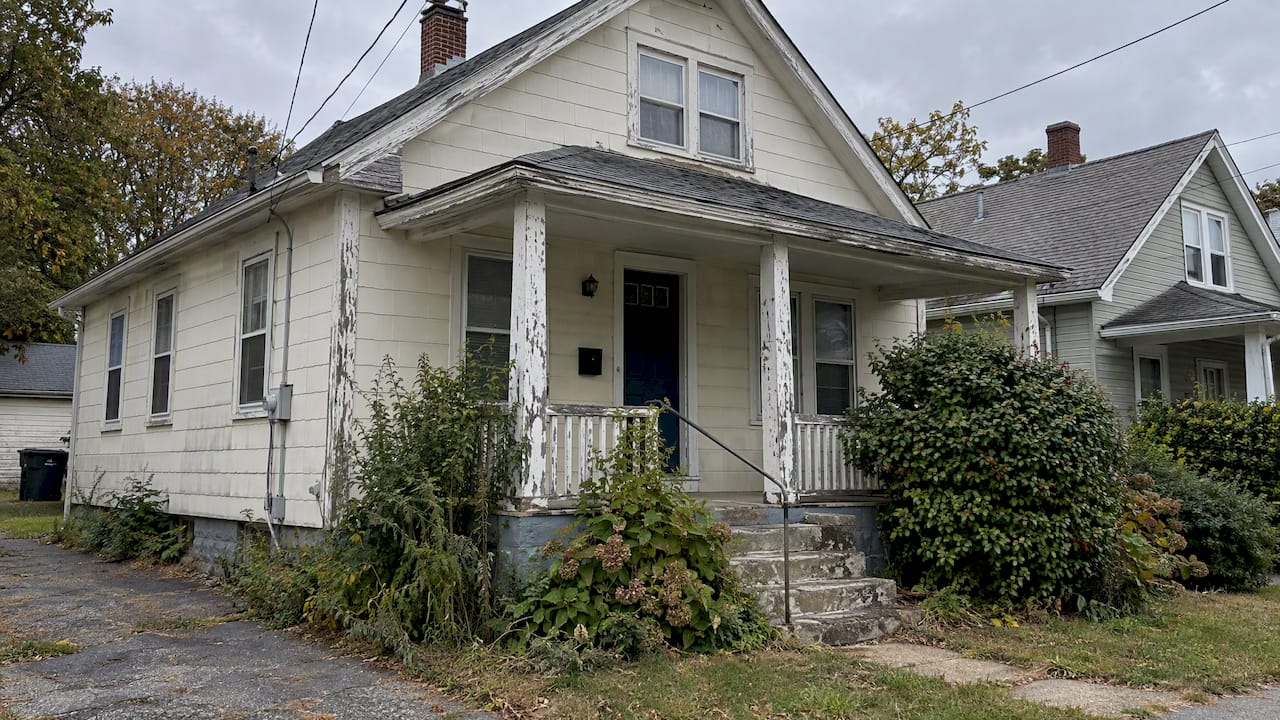
That does not mean a fast sale is always the right move. If your home is in solid condition, you are not under a hard deadline, and the local market in your neighborhood is strong, a traditional listing may net more even after commissions and repairs. We would rather tell you that directly than have you leave money on the table unnecessarily.
Whatever you decide, run through the vetting checklist above, and get a Rhode Island attorney involved for anything touching probate or a contested title. A good buyer welcomes those questions.
— Dave
How Rhody Home Buyer makes a fast Rhode Island sale simple
Some companies buy houses directly, in as-is condition, with no agent fees, no commissions, and no repair requirements before closing. Offers may be based on After Repaired Value, and sellers may be able to choose the closing date rather than waiting on buyer financing or lender schedules.

To get a free, no-obligation offer started, have these ready when you reach out:
- Your property address and a general description of its condition.
- A few basic photos of the interior and exterior.
- A rough estimate of your remaining mortgage balance, if any.
| What you provide | What happens next |
|---|---|
| Property address and condition details | We review the property and prepare a cash offer |
| Basic photos | We confirm the offer based on After Repaired Value |
| Mortgage balance estimate | We set a closing date on your timeline |
If you are ready to see what a direct offer looks like, start with Sell My House Fast For Cash in Rhode Island and expect a straightforward response with no pressure to accept.
This article is general information, not a substitute for advice from a qualified financial advisor. Consult a qualified financial professional about your own circumstances before acting on anything here.
FAQ
What is the fastest legal way to sell a house in Rhode Island?
A direct cash sale to a local buyer is typically the fastest legal route, often closing within about 7 days compared with Rhode Island’s median of 37 days on the open market according to Realtor.com. Speed comes from skipping financing contingencies, repairs, and marketing time.
Who pays the Rhode Island conveyance tax when selling a house?
Rhode Island’s conveyance tax is generally paid by the seller unless the purchase contract specifies otherwise, calculated per $500 of consideration under rules from the Rhode Island Division of Taxation. As of October 1, 2025, the standard rate is $3.75 per $500, with a higher tier applying above $800,000.
Do I owe taxes if I sell an inherited house quickly?
Your tax basis in an inherited home is generally its fair market value on the date of death, according to IRS guidance on inheritances. Selling quickly after inheriting usually limits taxable gain, but any appreciation since that valuation date can still be taxable.
How do I avoid scams when selling my house fast in Rhode Island?
Verify any buyer’s proof of funds and insist on written escrow instructions before signing, since the Rhode Island Attorney General’s office has pursued cases involving deceptive foreclosure-rescue schemes targeting distressed sellers. Treat vague contracts, missing expiration dates, or refusal to document escrow as reasons to walk away.
What does Rhody Home Buyer charge to buy my house?
Rhody Home Buyer’s cash offers come with no agent fees or commissions, and pricing is available once we review your property’s address, condition, and photos through our Rhode Island cash offer process. There is no published flat fee because every offer is based on your home’s After Repaired Value.
Sources
- Realtor
- Real Estate Conveyance Tax | RI Division of Taxation
- IRS FAQs on Gifts and Inheritances
- Attorney General Neronha files lawsuit against real estate broker following deceptive “foreclosure rescue” scheme | Rhode Island Attorney General’s Office