Inspections commonly still happen in cash sales, but buyers can waive the inspection contingency while keeping the right to an informational inspection that does not affect the deal. The contract language, not the payment method, decides whether inspection findings can change price, trigger repairs, or end the sale. Sellers who want speed should prepare disclosures early; buyers who want protection should separate “waiving an inspection” from “waiving the contingency.”
TL;DR:
- A buyer can waive the inspection contingency yet still order an informational inspection, but the report cannot support repair requests, price changes, or cancellation.
- With an active contingency, findings can support renegotiation, a closing credit, or cancellation with the deposit returned; sellers often prefer credits over arranging repairs.
- For homes built before 1978, sellers must disclose known lead hazards and give buyers 10 days for testing unless buyers waive that period in writing.
- Retail buyers investing savings should keep an inspection contingency; experienced investors can use an informational inspection when their offer accounts for the property’s condition.
Table of Contents
- Who Orders Inspections in a Cash Sale and What Gets Checked
- Inspection Contingencies, Waivers, and Informational Inspections: What’s the Difference
- How Inspection Findings Typically Affect a Cash Sale
- Seller Disclosure Obligations and the Federal Lead-Based Paint Rule
- A Practical Checklist for Buyers and Sellers
- How a Cash-Buy Process Actually Treats Inspections
- Finding the Right Balance Between Speed and Protection
- Selling As-Is to Rhody Home Buyer: How We Handle Inspections
- FAQ
- Sources
Who Orders Inspections in a Cash Sale and What Gets Checked
Cash buyers are not one group. Real estate investors buying rental or flip properties often skip or limit inspections because they price the offer around the home’s condition from the start. Retail buyers paying cash, often from a home sale or savings, tend to behave more like financed buyers: they still want a general inspection because they’re protecting a large personal investment, not running the numbers on a spreadsheet.
The inspections themselves don’t change much based on financing. What changes is who pays, who schedules, and how fast the results come back.
Typical inspections in a cash transaction include:
- General home inspection covering the roof, foundation, electrical, plumbing, and major systems.
- Termite or wood-destroying insect (WDI) inspection, often required in humid regions or by lenders on other deals in the area.
- Sewer scope inspection, especially for older homes on original lateral lines.
- Roof and structural inspection when visible wear or age raises questions.
- HVAC inspection to check the furnace, heat pump, or air conditioning system’s remaining life.
- Lead-based paint testing for any home built before 1978, where federal disclosure rules give buyers a specific inspection right.
In a fast cash deal, the buyer usually pays for and schedules the inspector, just as in a financed sale. The difference is timing: without a lender underwriting the loan, inspections can often be compressed into a shorter window, sometimes just a few days after an accepted offer, since there’s no appraisal process or loan committee waiting on the results.
Inspection Contingencies, Waivers, and Informational Inspections: What’s the Difference
These three terms get used interchangeably, and that’s where confusion costs buyers money.
An inspection contingency is a contract clause that lets the buyer back out, renegotiate, or request repairs based on what an inspection finds, without losing their deposit. Waiving the inspection usually means skipping the inspection entirely. An informational inspection sits in between: the buyer still hires an inspector and gets a full report, but the contract states upfront that findings cannot be used to renegotiate price, request repairs, or cancel the deal.
That middle option matters more than most buyers realize. Chase’s guidance on waiving inspections points out that buyers can waive the contractual contingency while still ordering an inspection purely to learn what they’re buying. They give up negotiating leverage but keep the knowledge.
When a buyer waives the inspection contingency outright, they typically give up:
- The right to cancel the contract penalty-free based on inspection findings.
- The right to request seller-paid repairs or credits tied to the inspection report.
- Any extended timeline the contingency would have provided for negotiation.
Common workarounds that preserve some protection include repair cost caps (the seller agrees to cover issues above a set dollar threshold), a limited contingency that only covers major systems or safety issues, and the for-information-only clause described above.
Pro Tip: Read the contract for the exact inspection window, usually stated in calendar days from acceptance, and the response deadline for any repair request. A seven-day inspection period with a 48-hour response clause behaves very differently than a flexible “reasonable time” standard.
Redfin’s reporting on as-is sales notes that even when the contingency is waived, many buyers still schedule an inspection simply to know what they’re getting into, which is exactly the informational-inspection approach in practice.
How Inspection Findings Typically Affect a Cash Sale
What happens after the inspector leaves depends almost entirely on whether a contingency is still in place.
With an active inspection contingency, a buyer who finds problems has three realistic paths: renegotiate the price, request a repair credit at closing, or walk away and get the deposit back. Sellers facing a credible repair estimate usually prefer a credit over doing the work themselves, since it avoids delays and contractor scheduling.
Without a contingency, an informational inspection still produces useful knowledge, it just can’t be used as negotiating leverage. The buyer either closes as planned or, in cases of serious undisclosed defects the seller knew about and failed to mention, may have separate legal recourse outside the inspection contingency itself.
Certain defect categories are far more likely to blow up a timeline or a budget:
- Roof replacement, particularly on homes with multiple layers of existing shingles.
- Foundation cracks or settling that suggest structural movement.
- HVAC systems near or past their expected service life.
- Major water intrusion, including basement flooding or long-term roof leaks that caused hidden rot.
Because these categories carry the largest potential repair costs, they’re also the findings most likely to reopen negotiations even in a cash deal. Among buyers nationally, inspection-contingency waivers rose noticeably during the competitive 2021 to 2022 market, a trend Redfin has tracked using NAR data, showing that waiver rates move with market conditions rather than staying fixed.
Timelines matter as much as outcomes. A short inspection window with a tight cure period (the time a seller has to fix an issue or respond to a request) keeps a cash deal moving toward closing in days rather than weeks. A long or vague response deadline is one of the most common reasons a fast cash sale stalls.
Rescission after inspection, meaning the deal falls apart entirely, is rare but does happen when an inspector uncovers something the seller didn’t disclose and should have, such as known foundation movement or a failed septic system concealed before listing.
Seller Disclosure Obligations and the Federal Lead-Based Paint Rule
Selling a home “as-is” changes what repairs a seller agrees to make. It does not change the legal duty to disclose known problems. Most states require sellers to disclose known material defects regardless of how the sale is structured or financed, and an as-is clause in the contract doesn’t override that duty.
One disclosure requirement is federal and applies regardless of state law or payment type. For homes built before 1978, the Lead-Based Paint Disclosure Rule under Title X requires sellers to:
- Disclose any known information about lead-based paint or lead-based paint hazards in the home.
- Provide buyers with available records and reports related to lead paint.
- Include a signed “Lead Warning Statement” in the purchase contract.
- Give buyers a 10-day period to conduct a paint inspection or risk assessment before becoming bound to the contract, unless the buyer waives that window in writing.
This disclosure step applies even in fast cash transactions and even when every other contingency has been waived. Buyers can also protect themselves on other fronts by requesting the full disclosure packet upfront and ordering targeted testing, such as a sewer scope or termite inspection, even if they’ve waived the broader inspection contingency.
A Practical Checklist for Buyers and Sellers
Speed and protection aren’t opposites. They just require planning ahead of the offer.
For buyers:
- Confirm in writing whether you’re waiving the inspection contingency, the inspection itself, or neither.
- Order an informational inspection even when waiving negotiating rights, so you know what you’re buying.
- Run targeted tests for lead paint (pre-1978 homes), sewer lines, and termites regardless of the broader contingency decision.
- Budget for the defect categories most likely to surface: roof, foundation, HVAC, and water damage.
For sellers:
- Prepare a disclosure packet before listing, including any past repair or maintenance records.
- Consider a pre-listing inspection so you can price around known issues instead of negotiating after the fact.
- Price the home realistically for an as-is sale rather than assuming cash erases condition concerns.
Pro Tip: A seller who supplies a recent inspection report or disclosure packet upfront often avoids a renegotiation attempt later, since the buyer has fewer surprises to react to.
How a Cash-Buy Process Actually Treats Inspections
Most cash home buying companies structure their offer around the home’s current condition from the start, which changes what an inspection is for. Instead of using findings to renegotiate price down, an as-is cash buyer typically builds expected repair costs into the initial offer using the After Repaired Value, then walks the seller through disclosure paperwork rather than repair demands.
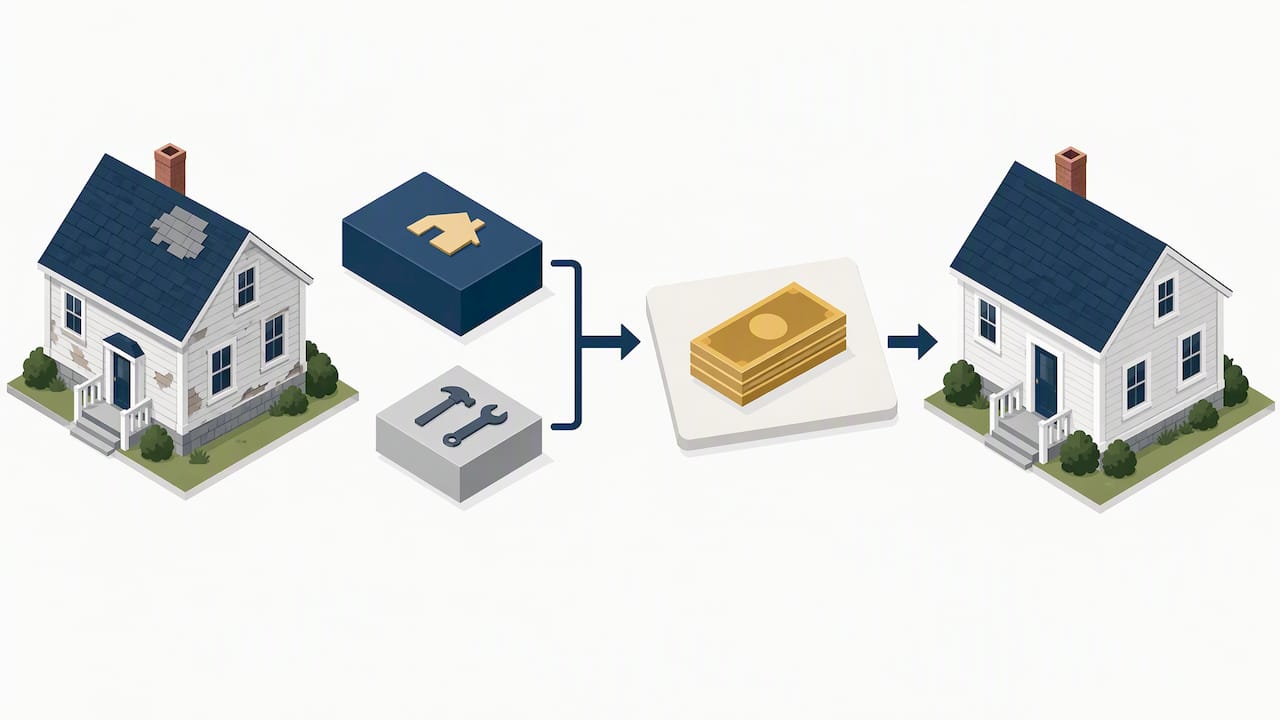
For sellers, that usually means less back and forth after any walkthrough. There’s no repair list, no contractor bids, and no credit negotiation extending the closing date. The seller still provides what they know about the property’s condition, including any lead paint disclosure for homes built before 1978, but isn’t asked to fix anything before closing.
That approach trades the negotiating leverage a financed buyer’s inspection contingency might create for a faster, more predictable path to closing, which is the point for sellers choosing a cash sale over listing with an agent.
Finding the Right Balance Between Speed and Protection
My rule of thumb: if you’re a retail buyer putting most of your savings into one house, insist on a real inspection contingency, not just an informational report. The money you might save by waiving it rarely offsets the risk of a six-figure surprise.
If you’re an experienced investor or working with a cash-buy company that already prices around condition, an informational inspection plus solid disclosures is usually enough. Either way, don’t skip the lead paint disclosure window on an older home. It costs you nothing and tells you something real.
— Dave
Selling As-Is to Rhody Home Buyer: How We Handle Inspections
We buy homes as-is, which means we don’t ask you to complete repairs or clean before closing. Our offers are based on the After Repaired Value, so we account for roof, HVAC, foundation, or water damage issues upfront instead of renegotiating after an inspection.

We walk every seller through the disclosure paperwork relevant to their home, including lead-based paint notices for houses built before 1978, so there are no surprises at closing. Because we skip agent commissions and repair negotiations, our process can help sellers close quickly.
If you’re weighing a fast, as-is cash sale against listing with an agent, request a no-obligation cash offer and see what your timeline could look like.
FAQ
How do cash buyers show proof of funds?
Cash buyers typically provide a bank statement, a letter from their financial institution, or a verification letter from the company funding the purchase. Sellers can request this before accepting an offer to confirm the buyer can close without financing contingencies.
Does the seller ever pay for an inspection?
Buyers usually pay for their own inspection, but sellers sometimes order a pre-listing inspection to identify issues before going to market. A pre-listing inspection can speed up negotiations by giving buyers fewer reasons to renegotiate later.
What is the biggest red flag in a home inspection?
Structural issues like foundation cracks, significant water intrusion, or an aging roof tend to raise the most concern, since they carry the highest repair costs and can signal deeper problems. An inspector flagging any of these usually prompts further evaluation before closing.
What is the hardest month to sell a house?
Seasonal demand varies by region, and winter months, particularly around the holidays, typically see fewer buyers actively shopping compared to spring and summer. Local market conditions and inventory levels affect this more than any single calendar month.
Sources
- Real Estate Disclosures about Potential Lead Hazards | US EPA
- Yes, You Can Sell A House As-Is—No Inspection Needed | Redfin
- Waiving the home inspection: What to know | Chase