
Yes, you can sell a house with active code violations in most cases. Your three realistic paths are to fix the problem, negotiate a price reduction or repair credit, or sell as-is to a cash buyer. The right move depends on how bad the violation is, how much time you have, and whether your buyer needs financing.
TL;DR:
- Selling a house with active code violations is possible without repairs, but lenders may require fixes if violations impact safety or habitability.
- Common violations like unpermitted work, electrical hazards, or missing detectors can lower appraisal value and risk loan approval delays.
- Disclosing violations and related fines or permits is essential, as they are material defects that could affect closing or future liabilities.
- The fastest sale path often depends on violation severity, repair costs, and financing needs: fix minor issues, offer discounts, or sell as-is to cash buyers.
- Temporary permits and remediation agreements can help maintain closing schedules without fully resolving violations beforehand.
Table of Contents
- What building code violations are and who enforces them
- Common code violations sellers see and how to self-screen
- Do you have to fix code violations before selling?
- How violations affect appraisal, inspection, financing, and buyer demand
- Practical selling options: fix, credit or price adjustment, or sell as-is
- Disclosure duties and how “as-is” interacts with disclosure
- Fines, liens, timelines, and typical costs
- When a cash buyer is the practical solution
- Temporary remedies and permits during the sale process
- What actually matters when you are selling with violations
- How Rhody Home Buyer can help sellers with code violations
- Sources
- FAQ
What building code violations are and who enforces them
A code violation is a condition on your property that fails to meet local building, safety, zoning, or maintenance standards. That covers everything from a missing smoke detector to an addition built without a permit to a fence that sits too close to the property line.
Enforcement happens at the municipal level. Cities and towns adopt model codes, often the International Residential Code published by the International Code Council, and their own inspectors and code enforcement officers handle violations, notices, and fines. Federal agencies generally stay out of it. HUD’s own guidance confirms that clearing conditions and enforcing local codes on existing homes falls to the municipality, not HUD. If you are unsure what a citation means or how to resolve it, your local code enforcement office is the right place to start, not a federal hotline.
It helps to separate the categories. An unpermitted addition or renovation means work was done without the required inspections and sign-off. An open permit is one that was pulled but never closed out or finalized. A safety order is a more urgent notice tied to a hazard, like faulty wiring or a structural issue. HOA violations are a different animal entirely: they come from a private association’s covenants, not from the city, and typically involve things like paint color, landscaping, or parking rules rather than building codes. Knowing which category you are dealing with tells you who to call and how urgent the fix really is.
Common code violations sellers see and how to self-screen
Most sellers encounter a handful of recurring issues. Municipal code guides consistently point to the same offenders: unpermitted renovations, outdated or unsafe electrical work, missing smoke or carbon monoxide detectors, blocked or undersized egress windows, aging plumbing or failing sewer connections, and exterior maintenance problems like peeling paint or a deteriorating roof.
- Unpermitted work: additions, finished basements, or converted garages done without inspection.
- Electrical hazards: outdated wiring, overloaded panels, or DIY work that skipped code review.
- Missing safety devices: no smoke detectors, carbon monoxide detectors, or proper egress from bedrooms.
- Plumbing and sewer issues: failing connections, old cast iron pipe, or septic problems.
- Exterior maintenance: unsafe decks, roof damage, or overgrown lots that trigger nuisance citations.
Municipal code pages list these same categories over and over, which tells you they are common rather than exotic problems (Toledo’s code violations guide is a representative example). Electrical issues deserve extra attention: the National Electrical Code maintained by NFPA is the standard most inspectors and lenders reference, and overloaded circuits or DIY wiring are frequent fire-risk citations.
Safety-critical items (electrical, structural, missing detectors) tend to draw the most scrutiny from inspectors and lenders. Cosmetic issues like exterior paint or a fence height violation rarely stop a sale on their own. To figure out where you stand, run a permit search through your municipal records office, hire an inspector for a pre-listing report, or simply call code enforcement and ask about the status of any open notices tied to your address.
Do you have to fix code violations before selling?
In most cases, no. You are generally free to sell a house with known violations as long as you disclose them honestly. Nothing in most state real estate law requires a seller to repair every defect before closing.
The exceptions come from lenders and, occasionally, local ordinances. FHA and VA loans have minimum property standards, and an appraiser who spots a safety hazard, like exposed wiring or a missing handrail, can require it fixed before the loan closes. Some conventional lenders apply similar standards when a defect affects habitability or structural safety. A handful of municipalities also require code compliance certificates before a title can transfer, particularly for properties with active safety orders.
That means the real decision factor is your buyer’s financing. A cash buyer does not need lender sign-off, so a violation that would stall an FHA loan is often a non-issue. A financed buyer’s lender, on the other hand, may force the issue regardless of what your purchase agreement says. Before you commit to a sales strategy, weigh three things: whether the violation is a genuine safety risk, what your local rules require for transfer, and how likely your buyer pool is to need financing that carries property condition standards.
How violations affect appraisal, inspection, financing, and buyer demand
Code violations rarely stay contained to paperwork. They show up in the appraisal, the inspection, and ultimately the price a buyer is willing to pay.
An appraiser who notices a safety or habitability issue, exposed wiring, a missing handrail on stairs, water intrusion, can lower the appraised value or flag the loan for a “subject to repair” condition. That puts the lender in a position to withhold funding until the item is fixed, verified, and re-inspected, which adds weeks to closing even when the buyer is motivated.

Inspections compound the problem. A general home inspector who spots signs of unpermitted work or an obvious electrical hazard will note it in the report, and most financed buyers use that report to renegotiate: either a price cut, a credit toward repairs, or a request that you fix the item before closing. This is where deals fall apart. A buyer who was excited about the house two weeks earlier can get cold feet once a lender’s underwriter starts asking questions about an open permit.
The practical effect is a smaller buyer pool. Retail buyers using conventional or government-backed financing tend to avoid homes with known violations, or they negotiate hard once one surfaces. Investors and cash buyers are typically less sensitive to this, since they are not relying on an appraisal-driven loan and often plan renovation work regardless. That is a major reason cash offers remain common on homes with open violations: the buyer’s decision process does not run through a lender’s property condition checklist.
Practical selling options: fix, credit or price adjustment, or sell as-is
Once you know what you are dealing with, the decision usually comes down to three routes.
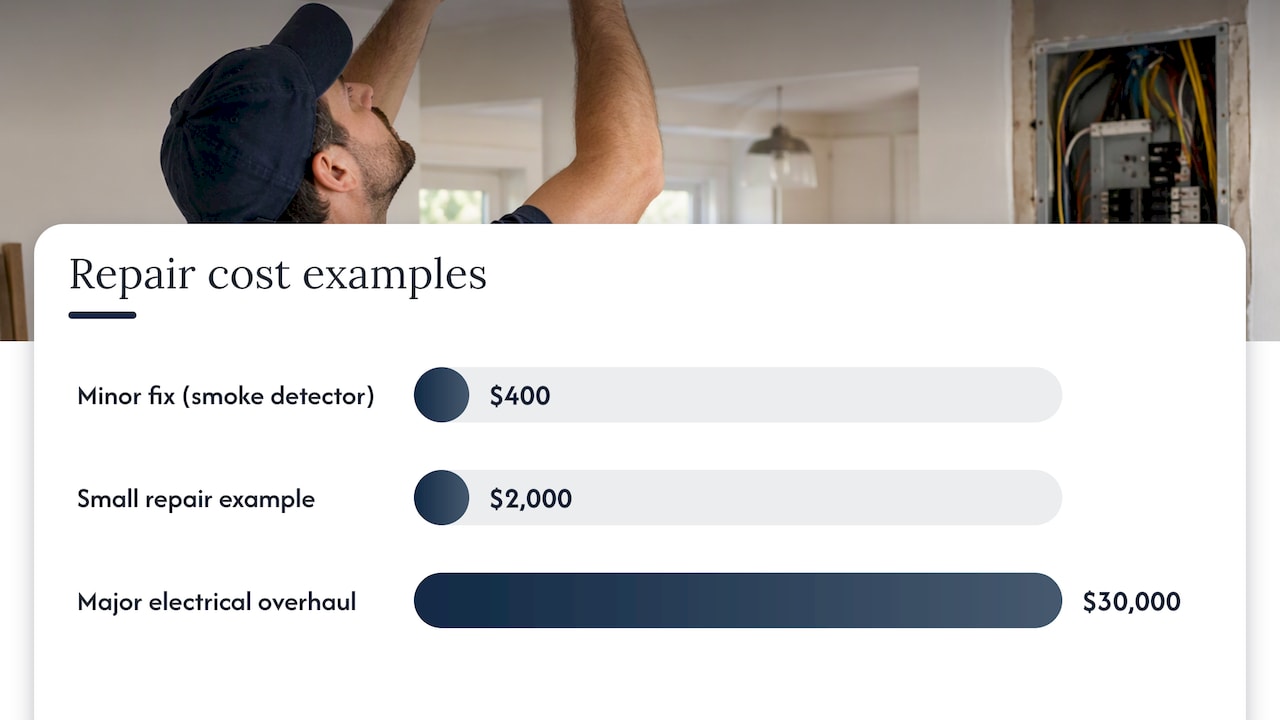
- Fix it first. This makes sense when the repair cost is modest relative to the value it protects, for example, a $400 smoke detector and wiring fix that clears a citation blocking a $350,000 sale. It also keeps your buyer pool open to financed offers, which tend to bid closer to market value.
- Offer a price reduction or repair credit. This works when the violation is moderate, the buyer is willing to finance and absorb the fix themselves, and you would rather not manage contractors. You disclose the issue, negotiate a dollar figure off the price or a credit at closing, and let the buyer handle remediation after they own the property.
- Sell as-is to a cash buyer. This is the practical choice when the timeline is tight, the repair is expensive or extensive, or you simply do not have the cash or capacity to manage a contractor before closing. Cash buyers and investors typically price the condition into their offer and close without a financing contingency, which sidesteps the appraisal and inspection issues described above.
Run a quick decision checklist before picking a lane: get a rough repair cost estimate, be honest about your timeline, consider how likely your target buyer is to need financing, and factor in any tax or closing cost differences between an as-is sale and a repaired one. A house with a $2,000 fix and six months to sell probably favors repair. A house with a $30,000 electrical overhaul and a thirty-day deadline probably favors as-is.
Pro Tip: Get a written repair estimate before you choose a path. A number in hand makes it far easier to negotiate a credit or justify an as-is price to a skeptical buyer.
For sellers weighing this decision in more detail, selling without making repairs is one path worth understanding fully before you list.
Disclosure duties and how “as-is” interacts with disclosure
Selling as-is describes the price and repair terms of the deal. It does not give you permission to hide known problems. Most states require sellers to disclose material defects they are aware of, and an open code violation, an unresolved notice, or an unpermitted addition typically counts as material.
A clean disclosure protects you from liability after closing and tends to keep negotiations honest rather than adversarial. At minimum, plan to disclose:
- Any active enforcement notices, including the date received and the municipal department that issued them.
- Open or expired permits, along with what work they were tied to.
- Unpermitted renovations or additions, even older ones you did not personally complete.
- Outstanding fines, with the current balance and whether a payment plan exists.
- Known safety hazards, such as electrical issues or structural concerns, whether or not the city has cited them yet.
Keep copies of any notices, inspection reports, or permit records and hand them over during the disclosure process rather than waiting for a buyer’s attorney to ask. As-is means you will not be doing the repairs. It does not mean you get to stay quiet about what is wrong.
Fines, liens, timelines, and typical costs
Unpermitted work and safety violations often come with fines that accrue daily once a notice is issued and ignored. Left unresolved, those fines can escalate into a lien against the property, and liens generally have to be paid off before or at closing since they attach to the title rather than to you personally. In some jurisdictions, specific compliance obligations, like a septic or cesspool upgrade mandate, can attach directly to the parcel and transfer with ownership, meaning the next owner inherits a compliance deadline rather than a clean slate.
Costs to resolve violations vary widely by category. A missing detector or minor electrical fix might run a few hundred dollars. Bringing an unpermitted addition up to code, including retroactive permits and inspections, can run into the thousands. The longer a fine sits unpaid, the more it grows and the more likely it is to complicate your closing, so getting an accurate read on the balance early is worth the phone call to your local code office.
When a cash buyer is the practical solution
Cash buyers remove the lender-driven repair requirements that stall financed sales, since there is no appraisal contingency or underwriter flagging the violation. They also typically price expected remediation costs into their offer rather than asking you to fix anything first. Some cash buyers buy properties as-is, allow sellers to pick the closing date, and skip agent fees and commissions, which can be important for sellers facing an active fine or a deadline they cannot control.
Temporary remedies and permits during the sale process
If a full fix is not realistic before your closing date, a few interim options can keep the sale moving. Some municipalities allow a temporary or emergency permit for a specific hazard, buying you time to complete permanent work after closing under an agreed compliance schedule. Others will accept a signed remediation agreement between buyer and seller, where the buyer takes ownership with a documented plan and timeline to finish the work, sometimes with funds held in escrow until it is done.
A retroactive permit is another common route for unpermitted work: you apply for a permit after the fact, schedule the required inspections, and bring the work into compliance without tearing it out and redoing it from scratch. This can resolve an open violation without a full renovation, though it depends on the work meeting current code once inspected.
None of these options eliminate the need to disclose the violation’s status to a buyer. They simply give you a way to keep a sale on schedule while the underlying compliance work gets finished, either by you before closing or by the buyer after. Check with your local building department before assuming any of these routes apply. Municipal processes vary enough that what works in one town may not exist in the next.
What actually matters when you are selling with violations
Most advice on this topic spends too much time on the legal mechanics and not enough on the calendar. The real question is rarely “am I allowed to sell this.” You almost always are. The real question is whether you have the weeks or months it takes to permit, repair, and re-inspect before a financed buyer’s lender signs off, and whether the fine clock is working against you while you decide.
The conventional advice, get a contractor quote, list with disclosure, negotiate a credit, works fine when you have time and equity to spare. It falls apart when a violation is actively accruing fines or when a lender-required repair adds six weeks you do not have. In that situation, the fastest path to a clean exit is often the one that skips financing contingencies altogether.
Prioritize getting an accurate read on your violation’s status and cost before anything else. That single phone call to code enforcement will tell you more about your real options than any general guide, including this one.
— Dave
How Rhody Home Buyer can help sellers with code violations
If you are facing an open violation, an accruing fine, or a lender that will not budge on repairs, a direct cash sale skips the problem instead of fighting it. Rhody Home Buyer purchases Rhode Island homes as-is, with no agent fees or commissions, and lets you set the closing timeline rather than working around a lender’s schedule.

Before reaching out, gather what you have: copies of any enforcement notices, permit history if you have it, and basic details about the property’s condition. That is usually enough to get a fair, no-obligation cash offer moving.
- Enforcement notices: dates, department, and current fine status.
- Permit records: any open, expired, or missing permits you know about.
- Property basics: age, square footage, and known repair needs.
Start with a fast cash offer and see what selling on your own terms looks like.
Sources
Check your city or town’s own code enforcement page for local procedures and fees, since requirements vary by jurisdiction. For background on standards, HUD’s archived guidance explains the municipal enforcement role, and NFPA’s electrical code resources cover the safety standards inspectors reference most often.
- HUD Archives: HOC Reference Guide – Repair Conditions (Page 1-22)
- ICC — 2018 International Residential Code (IRC)
- NFPA — National Electrical Code (NEC) and related standards
- Toledo code violations guide — common code violations
FAQ
Do appraisers look for code violations?
Appraisers are not code inspectors, but they do note visible safety and habitability issues, like exposed wiring or missing handrails, that can affect value or trigger a lender condition. If they spot something serious, the loan may be held up until it is fixed and reinspected.
Can you sell a house with HOA violations?
Yes, HOA violations are separate from municipal code violations and generally do not block a sale, though unpaid HOA fines can sometimes attach to the property similarly to a lien. Resolving or disclosing the violation and any outstanding balance before closing keeps the transaction on track.
Can you sell a house with unpermitted work?
In most markets, yes, as long as you disclose the unpermitted work to the buyer. Some buyers will ask for a credit, a price reduction, or a retroactive permit as a condition of moving forward, and a cash buyer is often less concerned with permit status than a financed one.
Can you find out who called code enforcement on you?
This depends entirely on your local jurisdiction’s public records rules, and many municipalities keep complainant identities confidential. Your code enforcement office can tell you their specific policy if you ask directly.