
Yes, you can sell a house as is in every US state, but “as is” never cancels your legal duty to disclose known defects. Expect a faster closing and a lower offer in exchange for skipping repairs. If speed matters more than squeezing out top dollar, your next move is simple: pick a selling path (agent, cash buyer, or iBuyer) or order a pre-listing inspection before you list.
TL;DR:
- Selling a house as-is does not eliminate the legal obligation to disclose known defects, which can lead to legal action if ignored.
- Buyers can still conduct inspections and renegotiate or request credits based on findings, regardless of an as-is sale.
- Offer types vary from lower-priced cash or investor offers to market-competitive iBuyer proposals, with net proceeds factoring in fees and repairs.
- Small improvements like safety fixes and honest listing descriptions can significantly improve offers without extensive renovations.
Table of Contents
- What Does “Sell As Is” Actually Mean?
- How Do You Sell a House As Is, Step by Step?
- What Are the Pros and Cons of Selling As Is?
- How Much Less Do You Get Selling a House As Is?
- What Do You Legally Have to Disclose When Selling As Is?
- Who Actually Buys Houses As Is?
- What Small Improvements Actually Help an As-Is Sale?
- Should You Sell Your House As Is? A Quick Checklist
- Why Speed Beats Perfection for Most As-Is Sellers
- Rhody Home Buyer’s Take on As-Is Sales
- Get a Fair Cash Offer Without Fixing a Thing First
- Where to Learn More About Selling As Is
- Sources
What Does “Sell As Is” Actually Mean?
“As is” is a pricing and repair position, not a legal shield. It tells buyers you won’t fix the leaky roof, replace the water heater, or repaint before closing. What it does not do is erase your obligation to disclose any known material defects. Nearly every state requires sellers to tell buyers about problems they’re aware of, whether that’s foundation cracks, past water damage, or a failing septic system. Misrepresenting or hiding those issues can expose you to a lawsuit even after the sale closes, according to Rocket Mortgage.
A common misconception is that “as is” means no inspections allowed. Wrong. Buyers can still hire an inspector, and many will use the findings to renegotiate price or ask for credits even after agreeing to buy as is. You can decline those requests, but be ready to negotiate rather than assume the deal is locked once an offer lands.
The real value of an as-is listing is setting expectations upfront. You’re telling the market: this home needs work, price it accordingly, and don’t expect me to chase a punch list.
How Do You Sell a House As Is, Step by Step?
Selling a house without repairs comes down to four real paths, each with different speed, cost, and buyer pool trade-offs.
- List with an agent, as is. This still works for homes with cosmetic issues rather than structural ones. An agent prices the property to reflect its condition, markets it honestly, and negotiates offers. Expect several weeks to a few months to close, plus commission costs.
- Sell to a cash buyer or investor. Local investors buy houses in any condition, often closing in 7 to 21 days with no financing contingency. Offers tend to be lower than market value, but there’s no repair list, no staging, and no showings.
- Use an iBuyer or simple-sale service. These companies make algorithm-based offers close to market value, then subtract service fees, often in the 5% to 15% range, plus repair deductions after their own inspection. Convenient, but read the fee structure carefully before comparing offers.
- Do limited, targeted repairs. Sometimes fixing one or two financing-blocking issues, like a broken furnace or missing handrail, opens the door to traditional buyers who need a mortgage. This is a middle path between full renovation and pure as-is.
Chase notes that selling as-is speeds up the timeline and cuts upfront costs, but it narrows your buyer pool and typically lowers your final price. Match the path to how much time and cash cushion you actually have.
What Are the Pros and Cons of Selling As Is?
Selling as is trades money for speed. That’s the whole equation, and most seller regret comes from not weighing it honestly.
The upside:
- No repair costs or contractor scheduling delays
- Fewer showings and less staging stress
- Faster closings, often measured in days instead of months
- Lower emotional burden if the home came from an estate or a hard financial stretch
The downside:
- Lower final sale price than a renovated, move-in-ready comparable
- Smaller buyer pool since many mortgage programs require the home to meet minimum condition standards
- Buyers with FHA or VA loans may walk away if an appraiser flags safety or structural issues
- Continued negotiation leverage for buyers even after they agree to buy as is
The financing barrier deserves attention. A buyer using a conventional or government-backed loan needs the home to pass a lender’s minimum property standards. A missing handrail or exposed wiring can kill that financing entirely, which is part of why cash buyers and investors dominate the true as-is market.
Pro Tip: Order a pre-listing inspection before you set your price. Knowing your defects in advance means you set realistic expectations instead of getting blind sided by a buyer’s inspector three weeks into escrow.
How Much Less Do You Get Selling a House As Is?
Discounts on as-is homes typically fall in a wide range depending on repair scope and how hot the local market is. U.S. News points out that neglected properties can sell substantially below move-in-ready comparables, so treat any as-is price as an estimate to verify against real comps, not a guarantee.
Two pricing models explain most of the gap. Investors commonly use a version of the 70% rule: they estimate the After Repair Value (ARV), multiply by roughly 70%, then subtract estimated repair costs. iBuyers work differently. They offer closer to market value upfront, then deduct service fees and repair credits after their own inspection, according to HomeLight.
The number that matters isn’t the headline offer, it’s the net proceeds after fees, repairs, and closing costs are subtracted from each option. Compare all three (agent sale, investor offer, iBuyer offer) on that basis before deciding.
What Do You Legally Have to Disclose When Selling As Is?
Disclosure law doesn’t bend for as-is sales. You’re required to tell buyers about known material defects, water intrusion, mold history, pest damage, electrical or plumbing problems, and anything else that materially affects value or safety. Rocket Mortgage’s guidance on selling as-is is direct: misrepresentation can expose you to legal action well after closing.
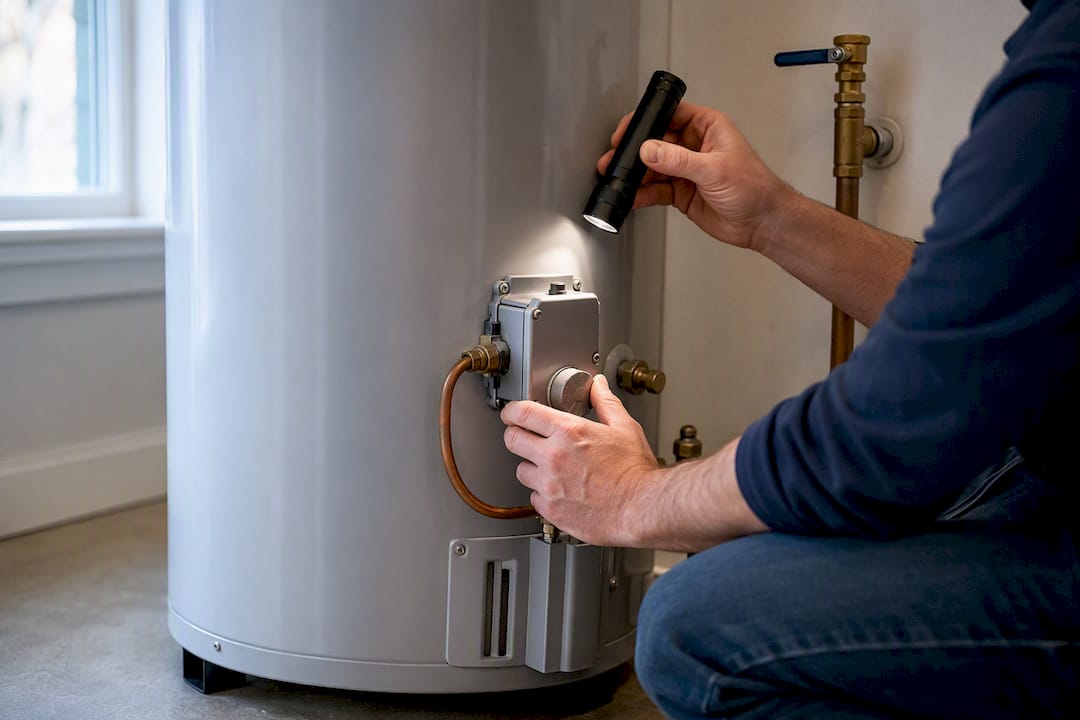
A pre-listing inspection, often costing a few hundred dollars, gives you a documented, third-party record of the home’s condition. Sharing that report with buyers upfront reduces their leverage to renegotiate later and shows good faith if a dispute ever surfaces, a point echoed by Ramsey Solutions. If your state’s disclosure form feels ambiguous about an issue, loop in a real estate attorney to confirm the contract language actually protects you.
Who Actually Buys Houses As Is?
Three buyer types make up nearly the entire as-is market, and each wants something different.
- Cash buyers and investors move fast, skip financing contingencies, and accept most repair issues, though their offers reflect that convenience.
- iBuyers offer more market-competitive pricing but charge service fees and don’t operate in every metro area, so coverage varies by ZIP code.
- Owner-occupant buyers with financing exist too, but only for homes that clear a lender’s minimum property standards. Structural, electrical, and safety issues are the most common dealbreakers for this group.
If speed and certainty matter most, market toward the first two groups. If you have time and the home only has cosmetic wear, a financed buyer might still be reachable.
What Small Improvements Actually Help an As-Is Sale?
You don’t need a renovation budget to improve your offers, just smart triage.
- Get a pre-listing inspection. Zillow’s guidance on selling a house as-is confirms that sharing an inspection report upfront builds buyer confidence and reduces surprises.
- Handle the cheap, high-impact stuff. Deep cleaning, fresh paint, and basic yard cleanup cost little but change how buyers perceive the whole property.
- Fix outright safety hazards. Loose railings, exposed wiring, and broken steps scare off buyers and appraisers alike, often for a fraction of what a full repair list would cost.
- Write honest, specific listing copy. Bankrate’s advice on selling a house as-is is to be upfront about condition. Buyers who know what they’re walking into make faster, less contentious offers.
Pro Tip: Photograph the home in good natural light and don’t hide problem areas entirely. A buyer who feels ambushed after touring in person often lowballs out of frustration, not fact.
Should You Sell Your House As Is? A Quick Checklist
Run through four questions: How urgent is your timeline? Would repair costs exceed the value they’d add? How likely is a buyer to get financing given the home’s condition? Do you prefer cash certainty over a longer, higher-priced listing? Then get a comparative market analysis, schedule an inspection, and collect at least two cash offers or agent opinions before you commit. At closing, expect negotiation room around repair credits and closing cost splits, even on an as-is deal.
Why Speed Beats Perfection for Most As-Is Sellers
Most advice on selling as-is focuses on maximizing price, which misses the point for the people actually searching this topic. If you needed top dollar, you wouldn’t be selling as is in the first place. You’d be renovating.
The overlooked variable isn’t the discount percentage, it’s the cost of time. Every month a distressed or inherited property sits on the market is another mortgage payment, another utility bill, another chance for a pipe to burst with nobody checking on the place.
The smarter frame is a net-proceeds comparison across your realistic options, not a hunt for the single highest number on paper. A lower cash offer that closes in two weeks with zero contingencies can easily beat a higher listing price that takes four months, falls out of escrow once, and comes with $15,000 in agent commissions. That’s not a compromise. That’s math.
— Dave
Rhody Home Buyer’s Take on As-Is Sales
We buy houses across Rhode Island in whatever condition they’re in, and we base our offers on After Repair Value rather than lowballing sight unseen. When a homeowner needs certainty over maximum price, an as-is cash sale usually beats a drawn-out listing. When the home is close to market-ready and time isn’t tight, an agent listing can still make more sense.
Get a Fair Cash Offer Without Fixing a Thing First
Every path in this guide involves trade-offs between speed, price, and effort. If you’d rather skip the inspection negotiations, agent commissions, and repair estimates entirely, Rhody Home Buyer offers a more direct route: a cash offer based on your home’s After Repair Value, no cleaning or repairs required, and a closing timeline you control.

There’s no commission to pay and no showings to schedule. You share your address and basic details about the property’s condition, and Rhody Home Buyer walks you through how the cash buying process works from first contact to closing day. Worth being honest about the trade-off: a cash offer typically comes in below what a fully renovated listing might fetch on the open market. For homeowners weighing that gap against months of holding costs, repairs, and uncertainty, it’s often the better math. Ready to see your number? Request your cash offer and find out what your home is worth as is.
Where to Learn More About Selling As Is
- Rocket Mortgage: Selling ‘As-Is’ — disclosure rules and legal exposure for as-is sellers.
- Zillow: How to Sell a House As Is — pre-inspection strategy and small repair tips.
- U.S. News: How Does Selling a House As Is Work? — pricing impact and comparable sale data.
- Bankrate: Selling a House As Is — practical listing and disclosure checklist.
- HomeLight: Selling a House As Is — investor and iBuyer pricing models compared.
Sources
- Selling ‘as-is’ — Rocket Mortgage
- How to sell a house as-is when it needs repairs — Zillow
- How does selling a house as-is work? — U.S. News
- Selling a house ‘as is’ — Chase
- Selling a house as-is — Bankrate